
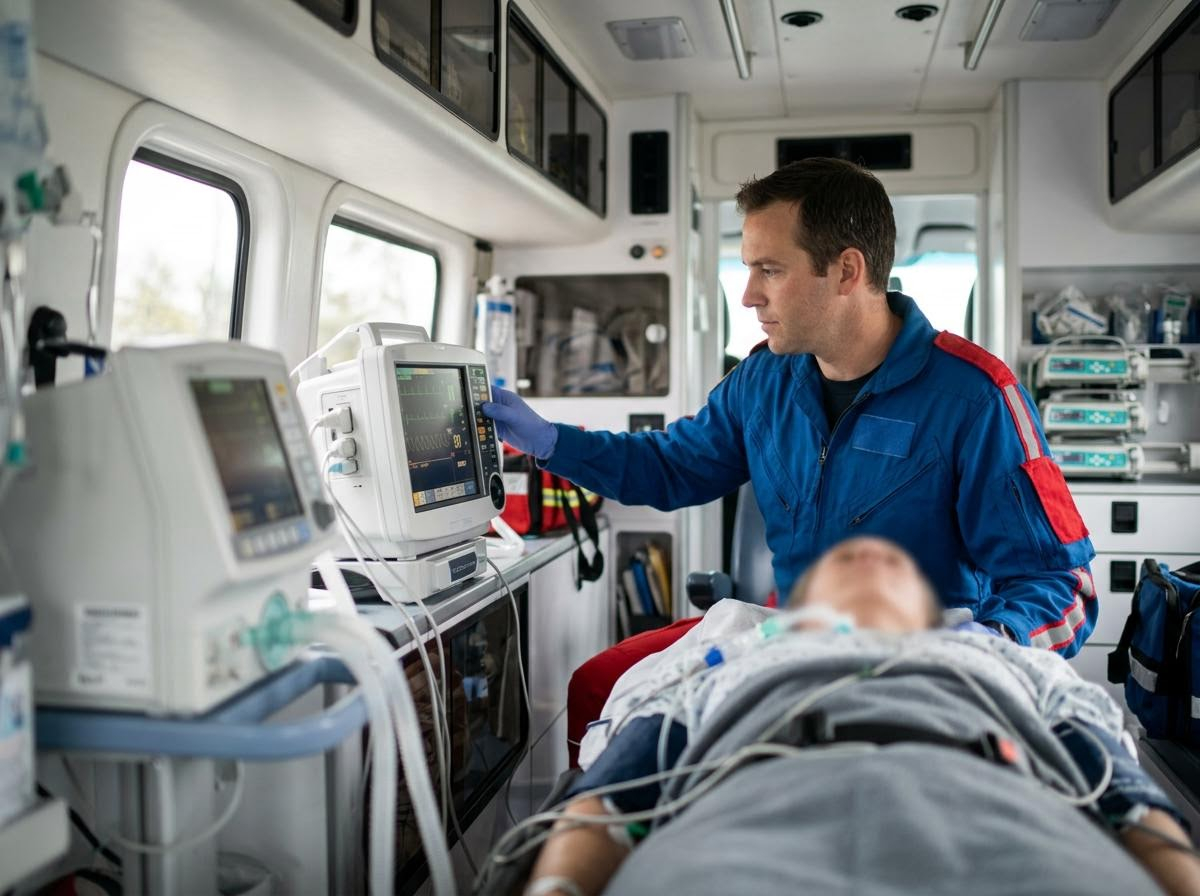
In the evolving landscape of emergency medical services, the role of a Critical Care Paramedic (CCP) stands as a testament to advanced prehospital care. These highly specialized professionals represent the pinnacle of emergency medical expertise, bringing hospital-level intensive care directly to patients in critical situations, often before they reach a medical facility. The MS Center for Advancement of Prehospital Medicine recognizes the profound impact these individuals have on patient outcomes and the overall quality of emergency care across our state. Their dedicated work ensures that even the most complex medical emergencies receive immediate, expert intervention.
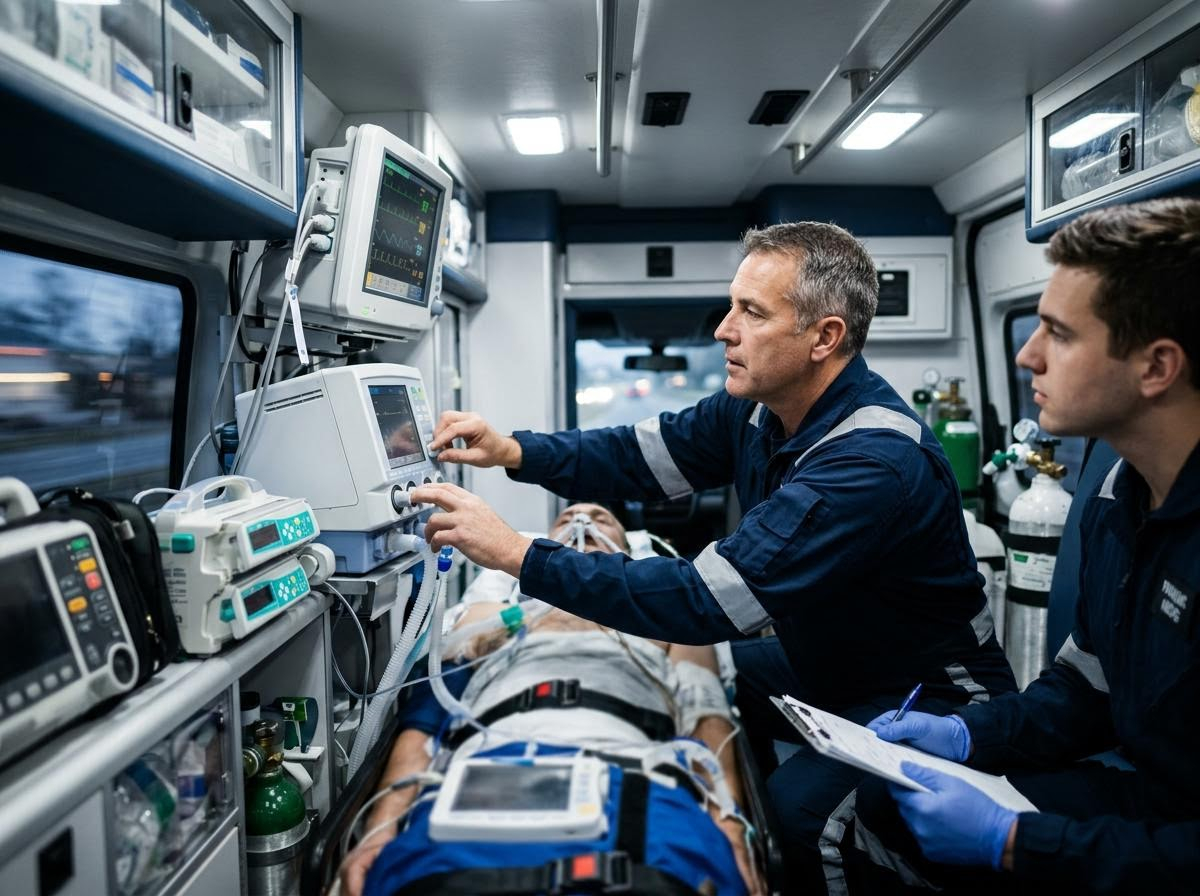
Defining the Advanced Scope of Practice
A Critical Care Paramedic operates far beyond the scope of a traditional paramedic, possessing an expanded skillset and deeper understanding of complex medical conditions. While all paramedics are trained to manage emergency situations, CCPs undergo extensive additional education focused on advanced diagnostics, sophisticated pharmacological interventions, and invasive procedures. This includes managing ventilators, administering specialized medications for cardiac or neurological emergencies, performing advanced airway management techniques, and monitoring complex physiological parameters typically seen in an intensive care unit. Their ability to deliver critical care in dynamic, uncontrolled environments is what truly sets them apart.
Rigorous Training and Specialized Expertise
Becoming a Critical Care Paramedic requires a significant commitment to advanced learning and professional development. Candidates typically complete a specialized post-paramedic program that delves into critical care transport medicine, advanced pathophysiology, and specific disease processes. This intensive training covers areas such as advanced trauma life support, pediatric advanced life support, advanced cardiac life support, and neonatal resuscitation, often incorporating didactic learning with extensive clinical rotations in hospital ICUs, emergency departments, and operating rooms. This rigorous preparation ensures they can assess, stabilize, and manage critically ill or injured patients during complex interfacility transfers or challenging scene calls.
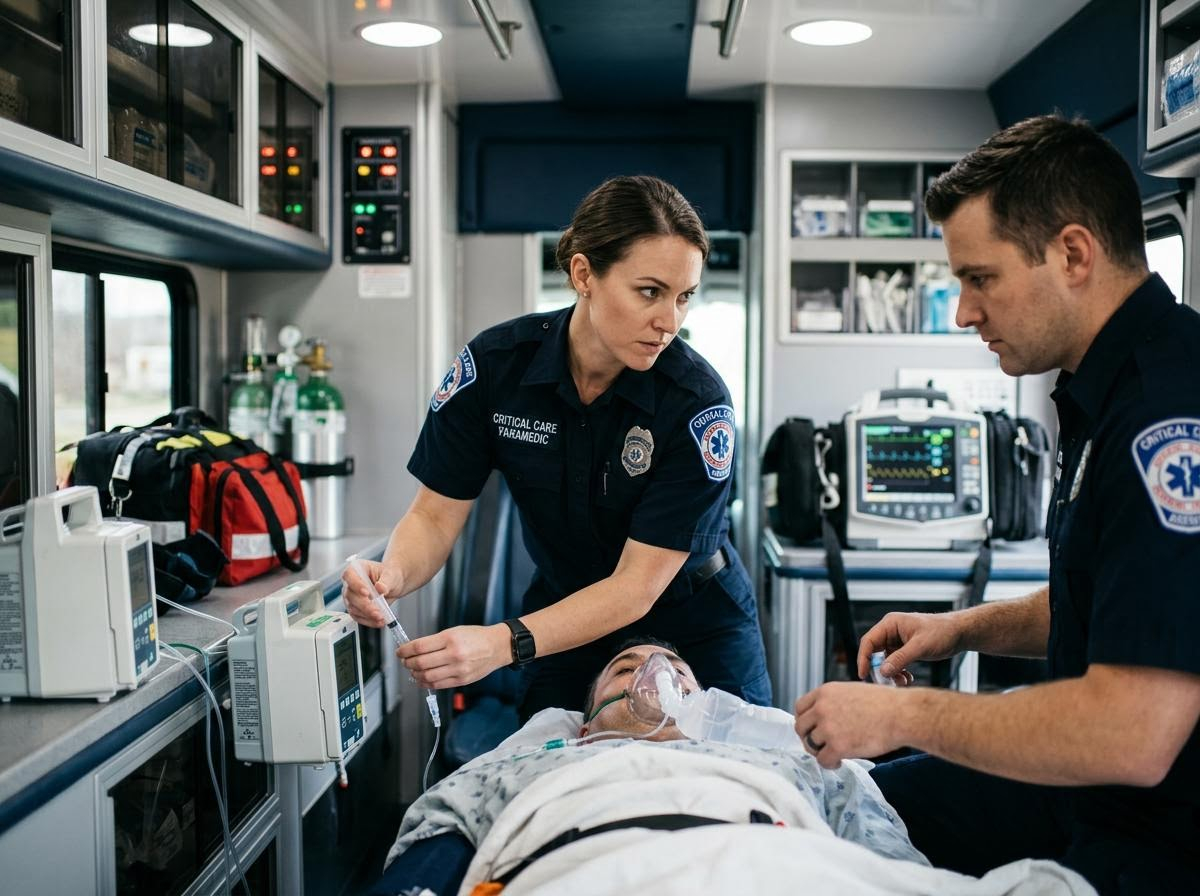
Providing Critical Care in Diverse Environments
The operational environments for Critical Care Paramedics are as varied as the emergencies they respond to. They are integral to interfacility critical care transport teams, safely moving patients who require ongoing intensive medical intervention between hospitals, often over long distances. They also play a crucial role in responding to primary 911 calls involving severe trauma, cardiac arrest, respiratory failure, or other life-threatening conditions that demand an immediate, higher level of care at the scene. Whether on the ground or in the air, CCPs bring a mobile intensive care unit to the patient, ensuring continuity of high-quality care from the point of contact to definitive hospital treatment.
Elevating Patient Outcomes Through Advanced Intervention
The presence of Critical Care Paramedics significantly elevates the standard of prehospital care, directly impacting patient morbidity and mortality. By bringing specialized interventions and advanced monitoring capabilities to the patient earlier, CCPs can prevent complications, stabilize deteriorating conditions, and optimize patient status before hospital arrival. Their expertise in managing complex medical equipment and administering time-sensitive treatments can be the difference between life and long-term disability, or even survival. They are vital links in the chain of survival for critically ill patients, demonstrating the power of continuous medical advancement in the field.
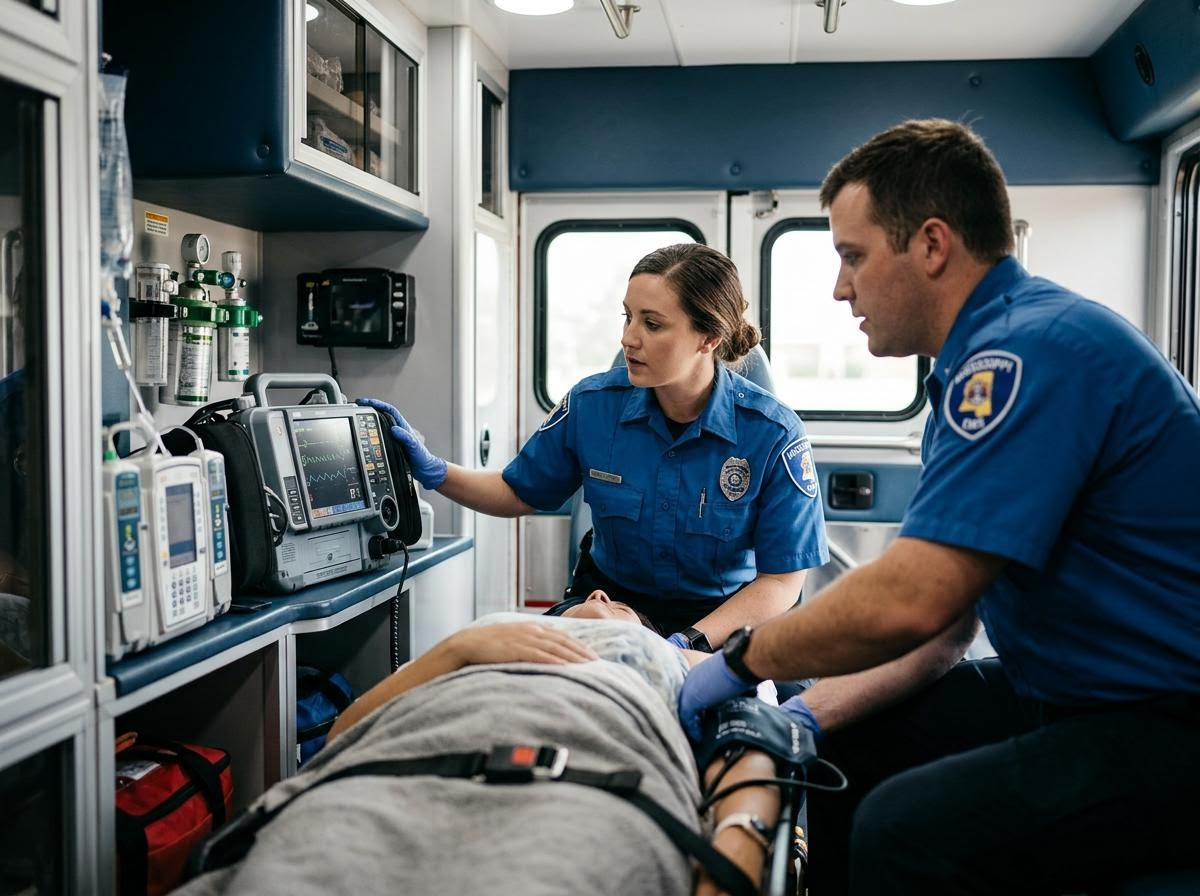
Empowering the Future of Prehospital Medicine
Critical Care Paramedics are indispensable members of the prehospital healthcare system, bridging the gap between emergency scene response and hospital-level intensive care. Their specialized skills, extensive training, and unwavering dedication ensure that patients across Mississippi receive the highest caliber of medical attention during their most vulnerable moments. The MS Center for Advancement of Prehospital Medicine is committed to fostering the growth and development of such vital roles. To learn more about the advancements in prehospital medicine and the programs that support our dedicated EMS professionals, please explore our resources and initiatives.