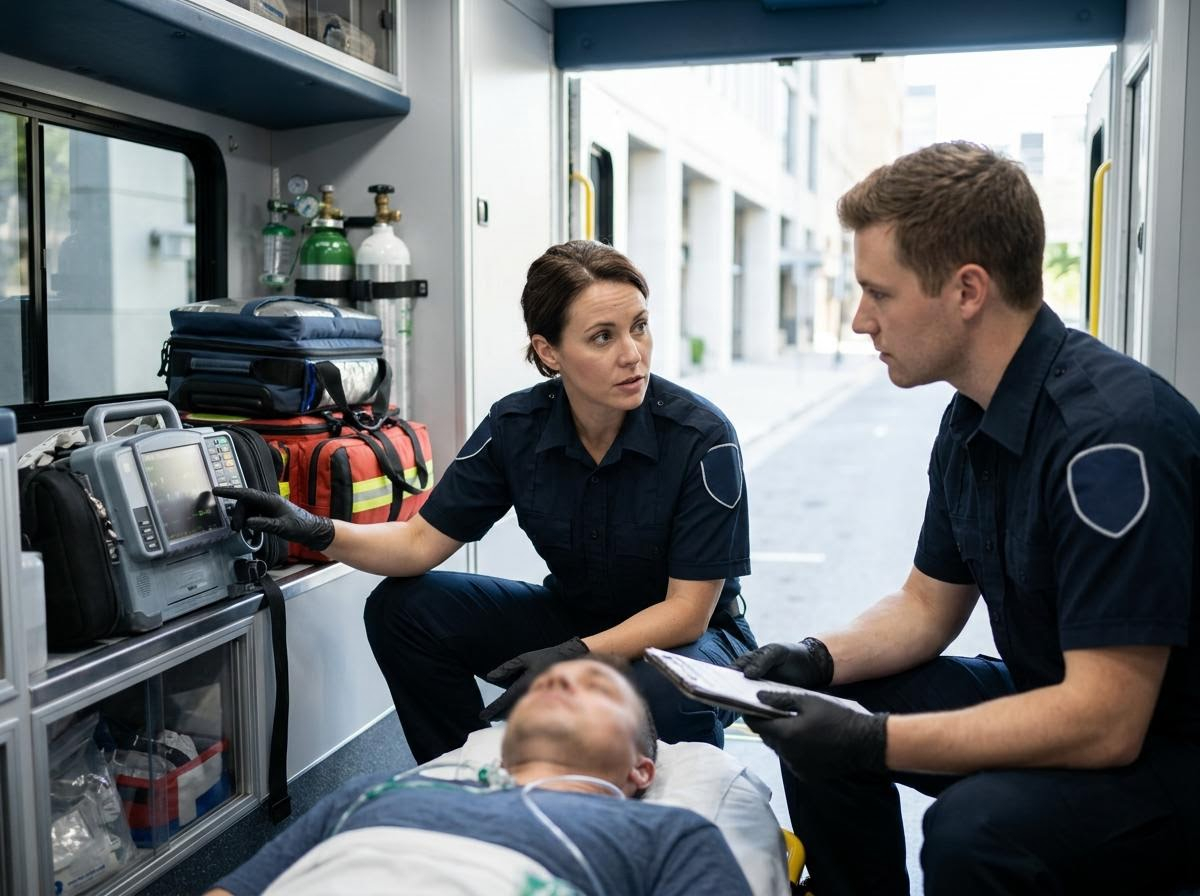
In the demanding and fast-paced world of emergency medical services, paramedics are often the first, and sometimes only, line of care for patients in critical situations. While certifications are foundational, agencies seeking to fill paramedic roles look for a specific blend of skills that define not just a competent provider, but an exceptional one. Understanding these sought-after attributes is key to advancing your career and ensuring you're prepared for the challenges and responsibilities of prehospital medicine, a mission the MS Center for Advancement of Prehospital Medicine is dedicated to supporting across our state.
Advanced Clinical Acumen and Critical Thinking
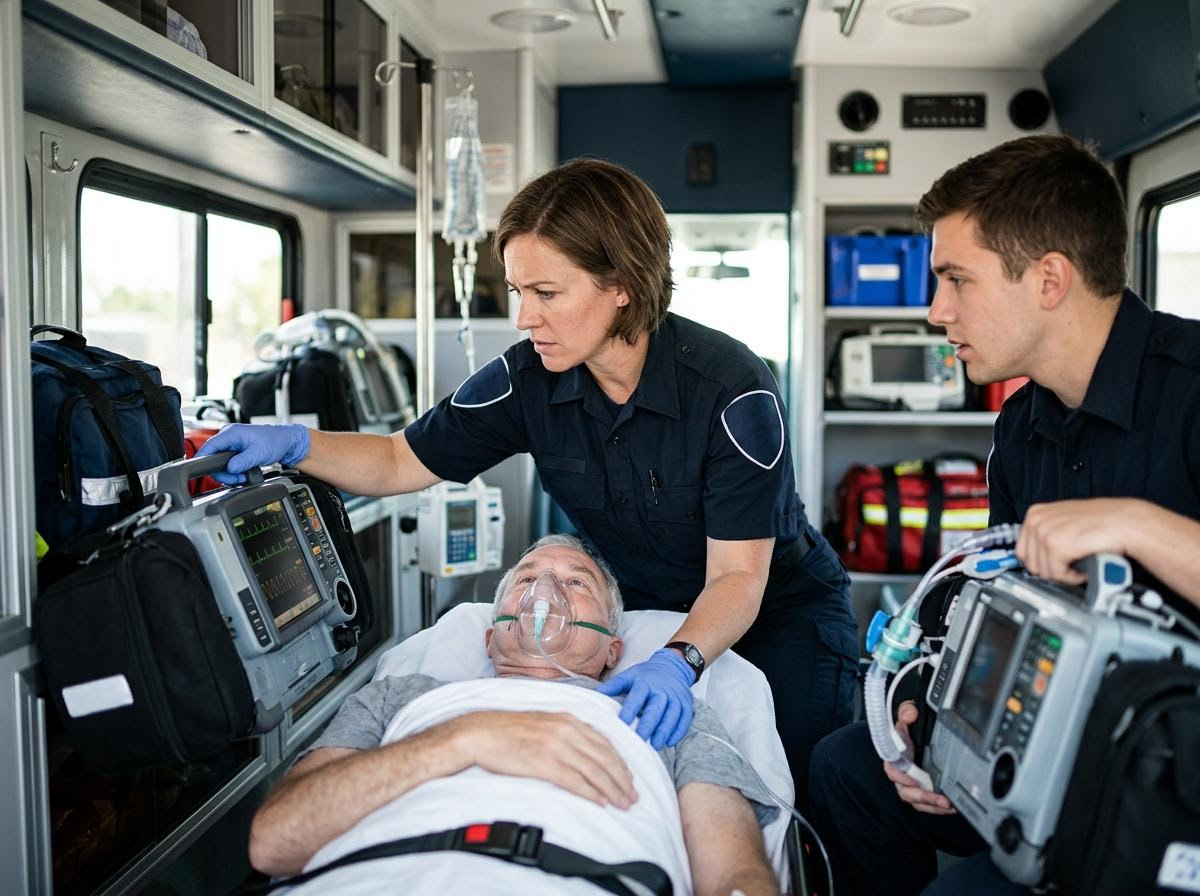
Beyond memorizing protocols, agencies prioritize paramedics who demonstrate a profound understanding of advanced clinical procedures and possess sharp critical thinking skills. This involves the ability to rapidly assess complex situations, form differential diagnoses, and implement appropriate treatment plans under pressure. It's about adapting standard protocols to unique patient presentations and environmental factors, ensuring that care is not just delivered, but optimized for every individual. Continuous learning, staying abreast of the latest medical advancements, and engaging in reflective practice are hallmarks of a provider committed to this level of excellence.
Exceptional Communication and Collaborative Spirit
The effectiveness of prehospital care often hinges on clear, empathetic communication and seamless collaboration. Agencies seek paramedics who can effectively convey information to patients and their families, offering reassurance and explaining complex medical situations in understandable terms. Equally vital is the ability to communicate precisely and efficiently with dispatchers, fellow EMS providers, and hospital staff during patient handovers. A collaborative spirit ensures integrated care, where every team member, from first responders to emergency room physicians, works cohesively for the best patient outcome.
Resilience, Professionalism, and Ethical Foundation
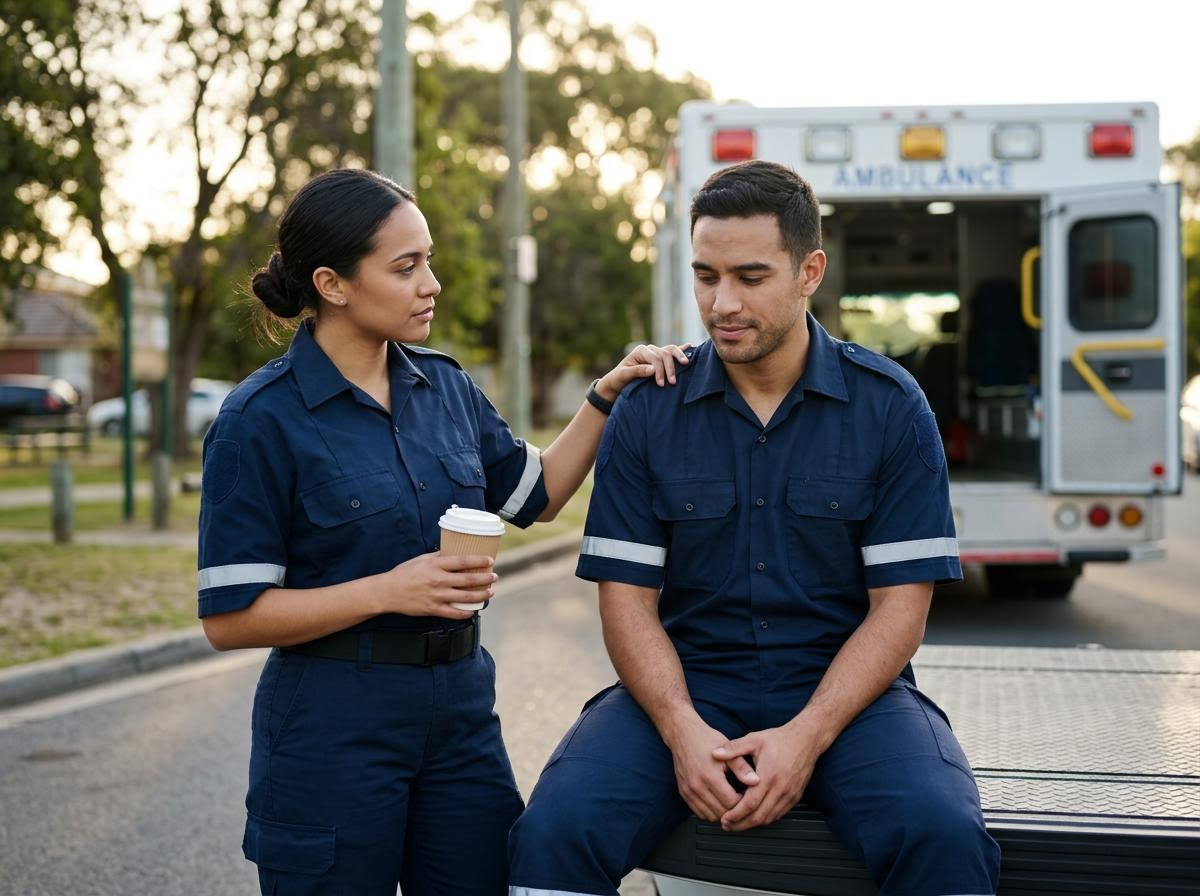
The nature of EMS work inevitably exposes providers to high-stress, emotionally charged, and sometimes traumatic events. Agencies highly value paramedics who exhibit remarkable resilience, maintaining composure and professionalism regardless of the circumstances. This includes a steadfast adherence to ethical principles, upholding patient confidentiality, and consistently demonstrating integrity and accountability. Furthermore, a commitment to personal well-being and self-care is recognized as essential for long-term career sustainability and preventing burnout in such a challenging field.
Adaptability and Resourceful Problem-Solving
Prehospital environments are inherently unpredictable, ranging from rural roadways to urban high-rises, and presenting a myriad of logistical and medical challenges. Agencies seek paramedics who are not only adaptable to changing conditions but also highly resourceful in solving problems with limited resources or unexpected obstacles. This includes making sound decisions when faced with ambiguity, creatively utilizing available equipment, and demonstrating flexibility in approaching diverse patient demographics and clinical scenarios.
Becoming an exceptional paramedic involves a continuous journey of skill development, encompassing not just medical knowledge but also critical soft skills that define true leadership in prehospital care. These attributes elevate the quality of patient care and strengthen the entire EMS system. To learn more about how we support the development of these vital skills and advance prehospital care in Mississippi, we invite you to explore the initiatives and educational opportunities provided by the MS Center for Advancement of Prehospital Medicine.