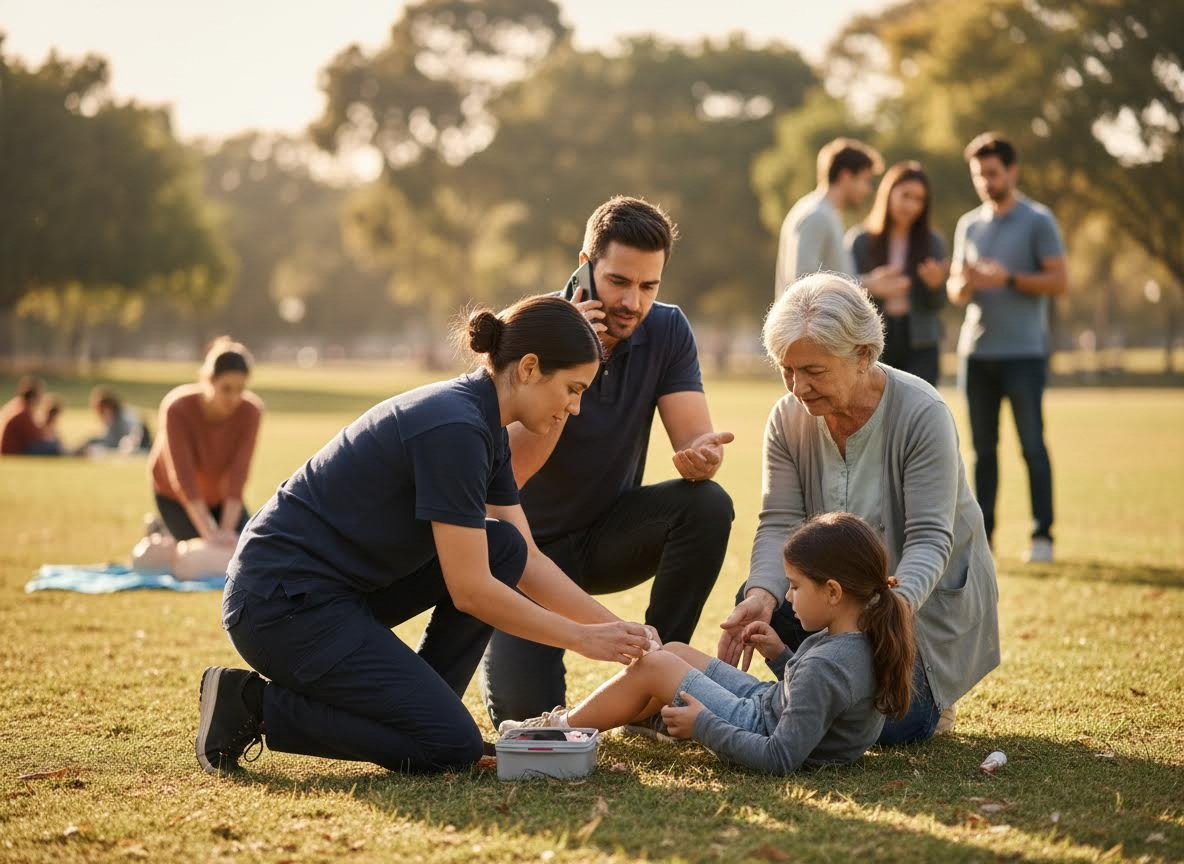
Embarking on the journey of Emergency Medical Technician (EMT) training is often seen as a direct path to a career in emergency services, yet the skills acquired extend far beyond the ambulance bay. At the MS Center for Advancement of Prehospital Medicine, we understand that the comprehensive education and practical experience gained are not just for professionals but form a robust skillset that profoundly enriches an individual's everyday life. From enhancing decision-making to fostering greater compassion, the lessons learned as an EMT student are universally beneficial, preparing you for more than just emergencies.
Sharpening Critical Thinking Under Pressure
One of the most fundamental skills developed during EMT training is the ability to assess situations rapidly and make critical decisions under pressure. Trainees learn to quickly prioritize, identify key issues, and implement effective solutions in high-stakes environments. This invaluable aptitude translates directly to daily life, whether it's navigating unexpected challenges at work, calmly resolving family crises, or making informed choices in complex personal situations. The structured approach to problem-solving instilled in EMTs fosters a clear, logical mindset that can prevent panic and promote effective action in any scenario.

Mastering Effective Communication and Empathy
Successful prehospital care hinges on clear, concise, and empathetic communication. EMTs are trained to interact with individuals from all walks of life, often in their most vulnerable moments. This involves active listening, translating complex medical information into understandable terms, and offering reassurance and comfort. These finely tuned communication skills are incredibly powerful outside of a medical context, improving personal relationships, enhancing professional interactions, and fostering a deeper sense of understanding and connection within communities.
Cultivating Resilience and Stress Management
The demanding nature of emergency medicine means that EMTs are routinely exposed to stressful and traumatic events. A crucial part of their training involves developing coping mechanisms, maintaining composure, and building resilience. Learning to manage adrenaline, process difficult experiences, and prioritize self-care are essential for long-term well-being in this field. These strategies are equally vital in navigating the stresses of modern life, equipping individuals with the tools to handle personal setbacks, professional pressures, and unexpected difficulties with greater strength and mental fortitude.
Empowering with Practical Life-Saving Knowledge
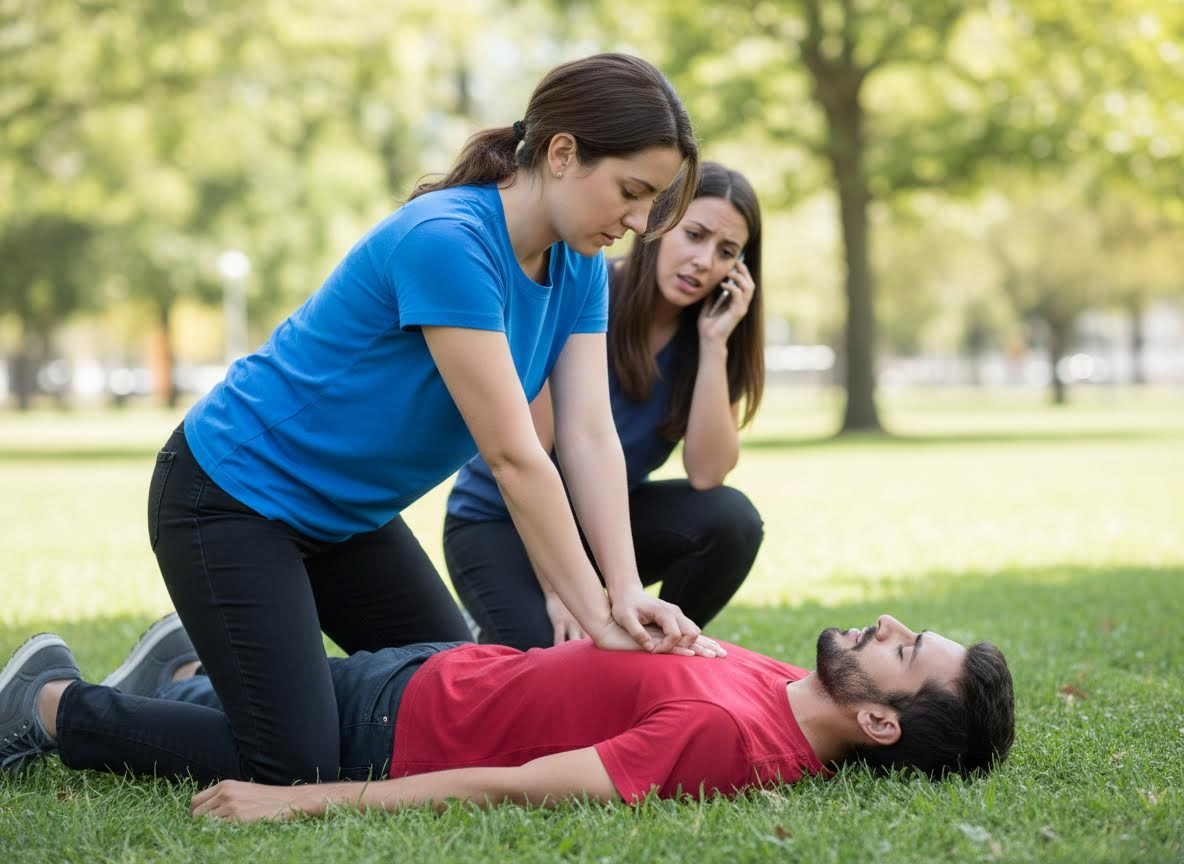
Beyond the more abstract skills, EMT training provides concrete, life-saving knowledge that can be applied in countless everyday scenarios. Knowing how to perform CPR, control bleeding, recognize the signs of a stroke or heart attack, and manage allergic reactions are invaluable skills for anyone. This foundational medical literacy not only empowers individuals to act confidently in an emergency involving loved ones or strangers but also fosters a heightened awareness of safety and preventative measures.
Ultimately, the professional skillset gained through EMT training extends far beyond the ambulance, touching every facet of an individual's life by enhancing critical thinking, communication, resilience, and practical knowledge. Elevate your personal and professional capabilities and start your EMS journey with MS Center for Advancement of Prehospital Medicine!