
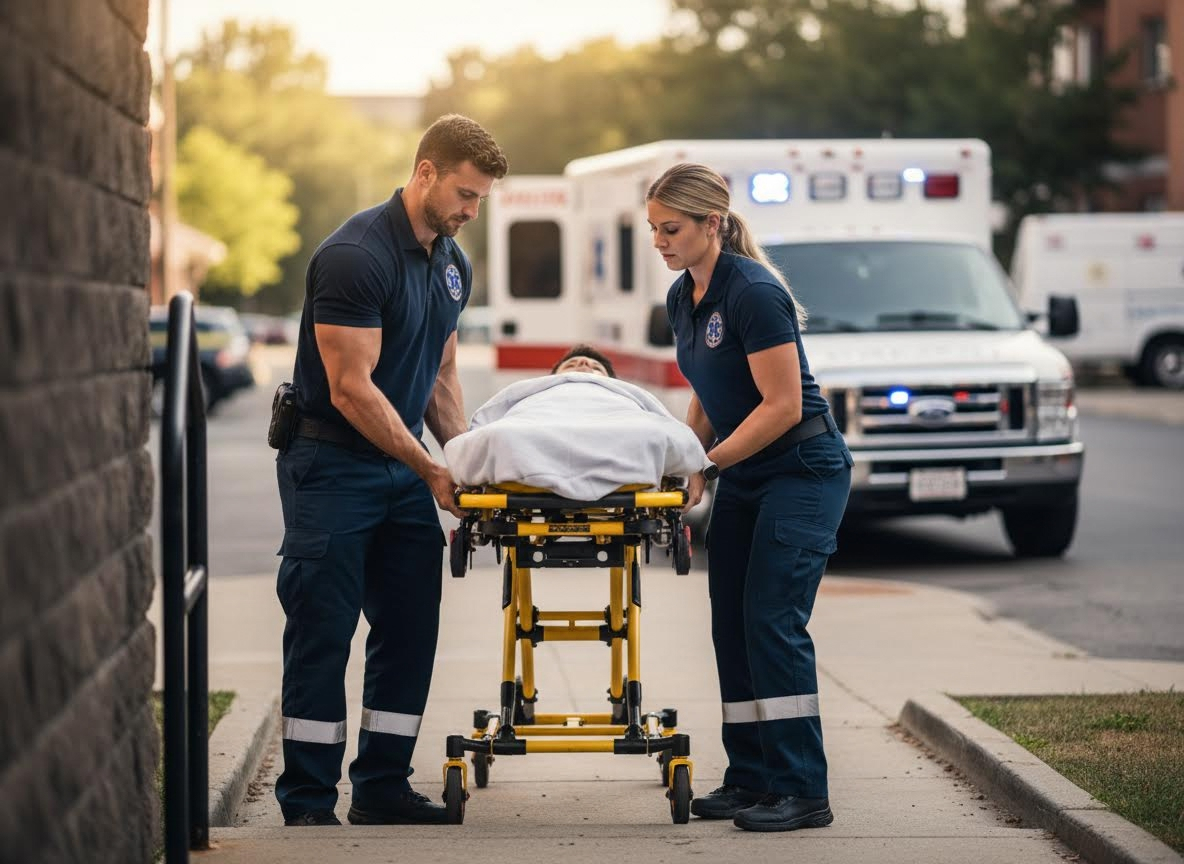
In the demanding and unpredictable world of prehospital medicine, every second counts, and the physical readiness of emergency medical technicians (EMTs) is paramount. Beyond medical knowledge and quick decision-making, the physical capabilities of these frontline heroes directly impact their ability to deliver exceptional patient care. At the MS Center for Advancement of Prehospital Medicine, we understand that a robust physical foundation is not just beneficial but essential for the challenging roles EMTs fulfill daily.
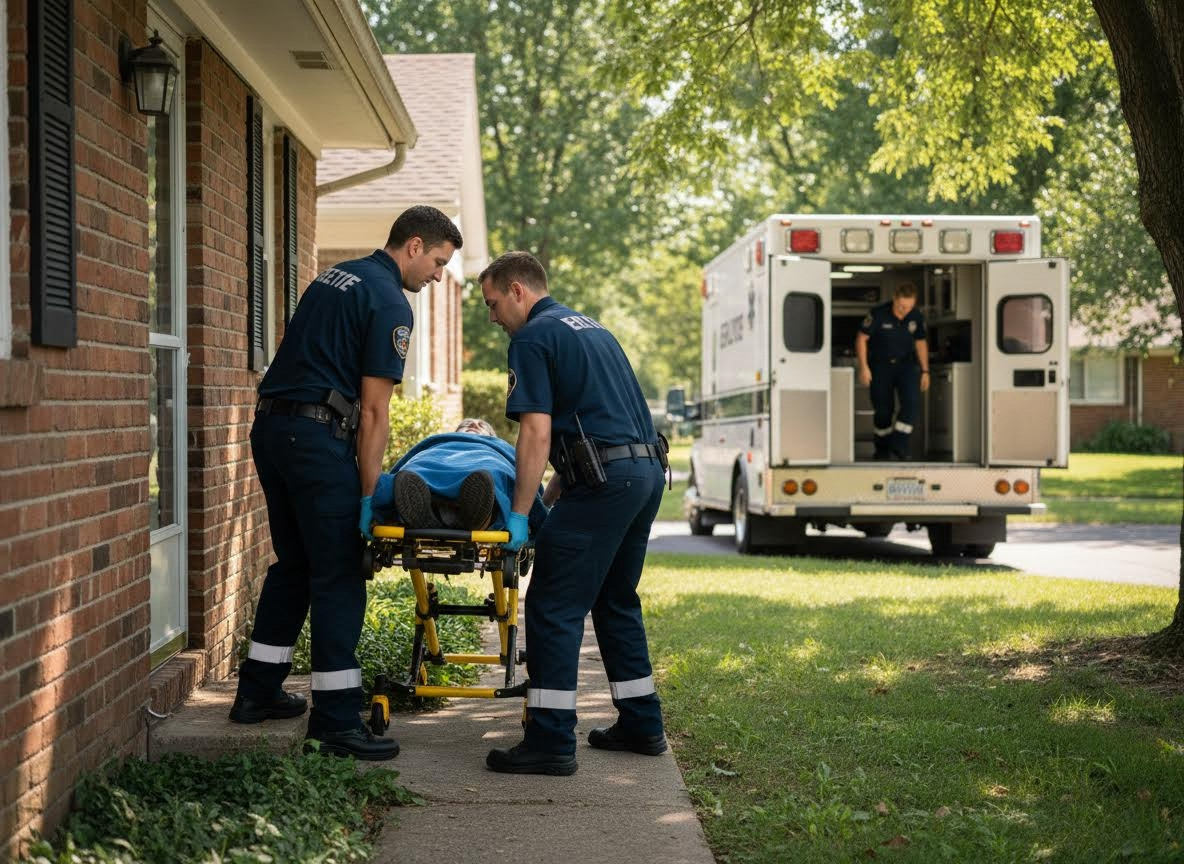
The Rigorous Physical Demands of EMS
The work of an EMT is inherently strenuous, requiring a unique blend of strength, endurance, and agility. From lifting and moving patients in complex environments to performing prolonged CPR, carrying heavy equipment up multiple flights of stairs, or navigating challenging terrains, the physical tasks are relentless and often unexpected. EMTs must be prepared to respond to any situation, which can range from a minor injury to a critical medical emergency, all while maintaining their composure and effectiveness under pressure. This constant readiness necessitates a body that is conditioned to perform under duress.
Enhancing Performance and Ensuring Patient Safety
Physical fitness directly translates to improved performance and, crucially, enhanced patient safety. An EMT with good physical conditioning can execute patient transfers more smoothly, reducing the risk of injury for both the patient and the provider. Increased stamina allows them to maintain high-quality care during extended calls or multiple back-to-back emergencies, ensuring consistent attention and competent intervention when it matters most. Furthermore, a fit EMT can respond more quickly and efficiently, optimizing critical timeframes in emergencies where every moment can affect an outcome.
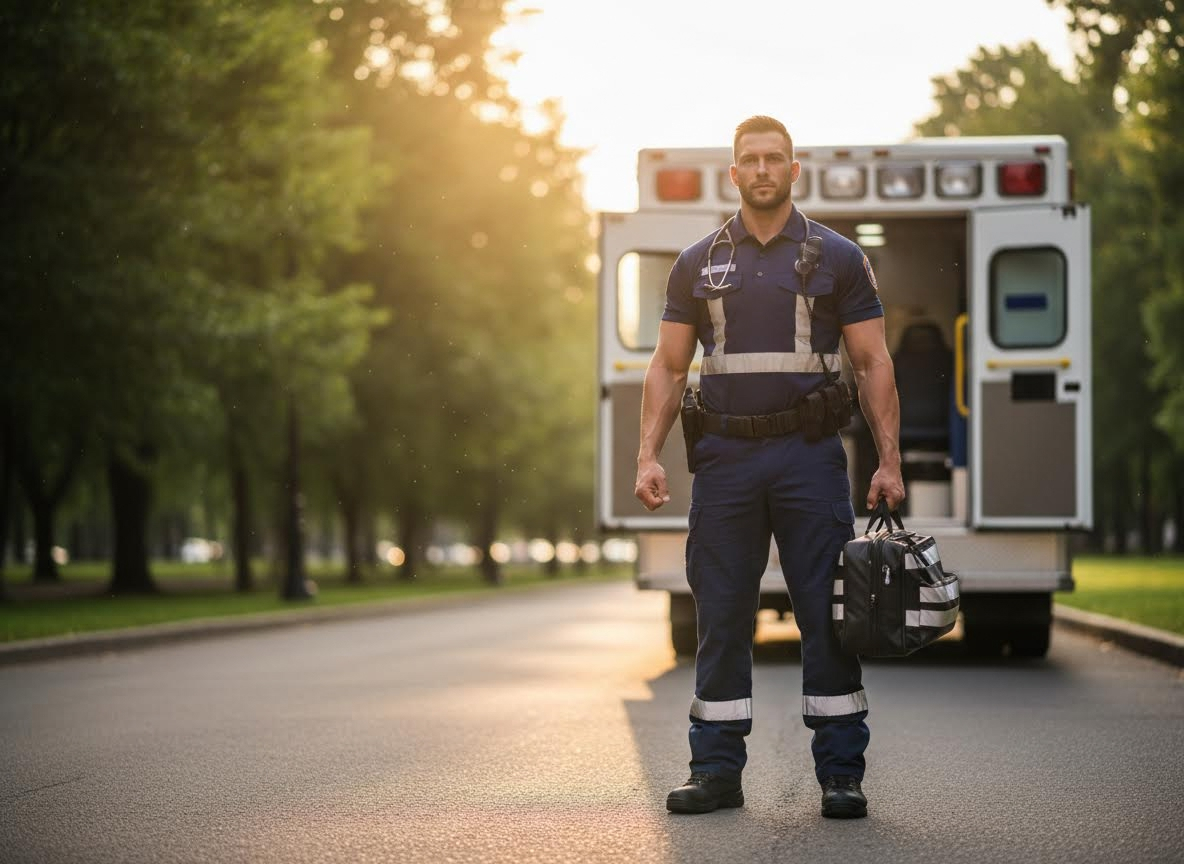
Injury Prevention and Career Longevity
One of the most significant benefits of maintaining physical fitness for EMTs is the reduction in occupational injuries. The repetitive strain of lifting, bending, and twisting, coupled with the unpredictable nature of patient movements, makes EMS professionals highly susceptible to musculoskeletal injuries, particularly to the back and shoulders. A targeted fitness regimen, focusing on core strength, proper lifting mechanics, and overall conditioning, can significantly mitigate these risks.
A strong, resilient body is as vital as medical expertise in the dynamic field of prehospital care, directly influencing patient outcomes and the well-being of our dedicated providers. The MS Center for Advancement of Prehospital Medicine champions initiatives that support the holistic development of EMS professionals, from education and training to workforce support. Start your EMS journey today!