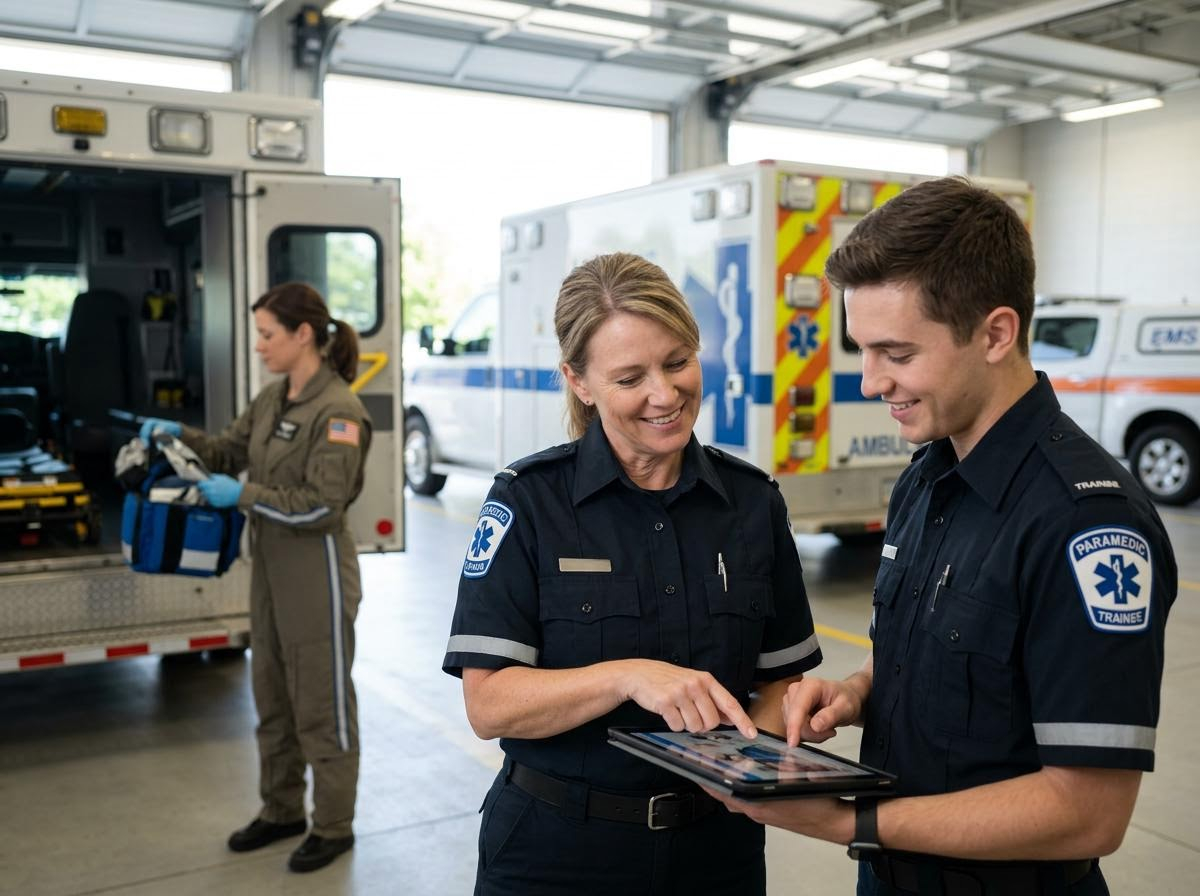
The journey of an Emergency Medical Services (EMS) professional is far more dynamic than often perceived. Beyond the immediate call of duty, a career as a paramedic offers a robust pathway for growth, specialization, and leadership, continually evolving to meet the complex demands of prehospital care. At the MS Center for Advancement of Prehospital Medicine, we understand the dedication it takes and are committed to supporting every step of this vital profession.
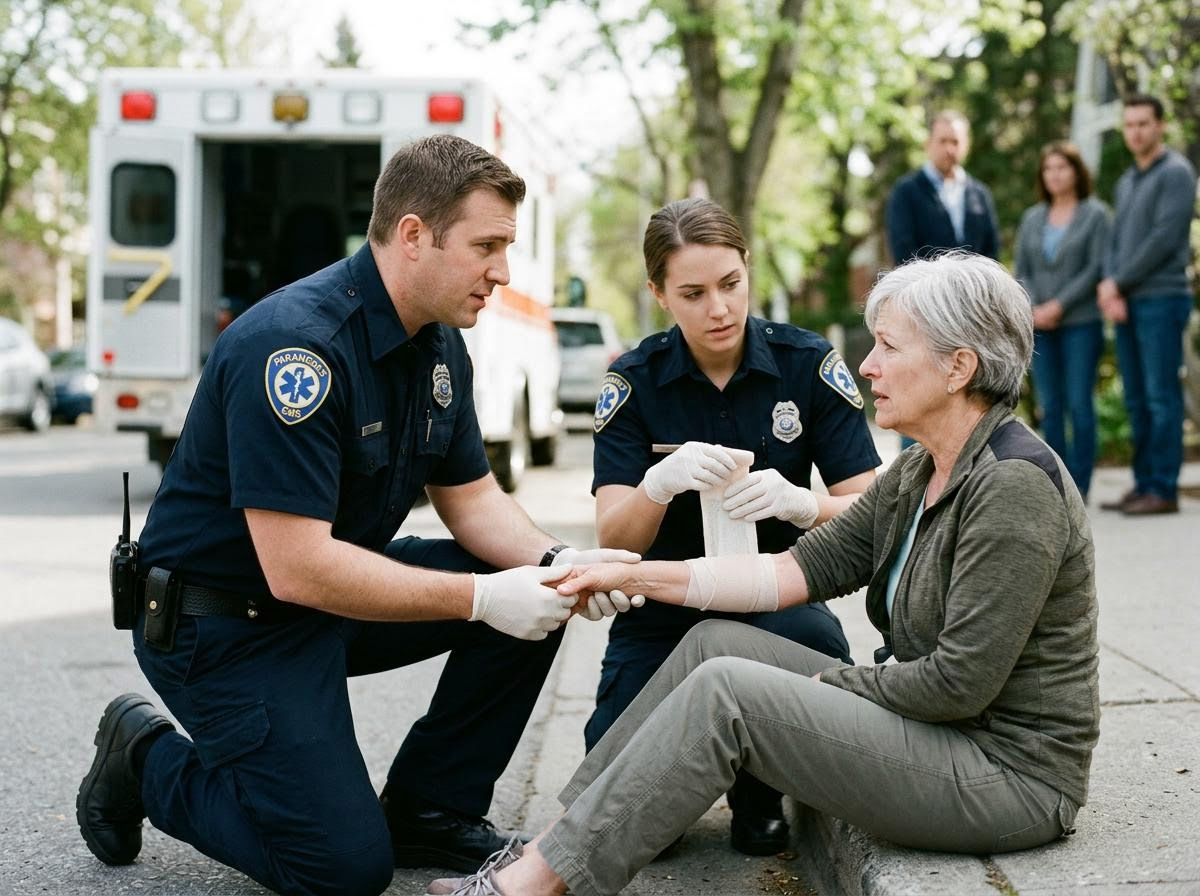
The Foundation: Essential Frontline Care
At its core, a paramedic's career begins with providing critical, life-saving care in the most challenging environments. This foundational role involves responding to emergencies, assessing patient conditions, and initiating advanced medical interventions in the field. Paramedics are the first line of defense, performing tasks such as administering medications, managing airways, providing cardiac support, and trauma care. They operate within ambulance services, fire departments, and other emergency response teams, serving as a crucial link between the scene of an incident and definitive hospital care. This demanding but incredibly rewarding work builds a comprehensive skill set in critical thinking, rapid assessment, and decisive action under pressure.
Expanding Horizons: Specializations and Advanced Practices
For those seeking to deepen their expertise, the paramedic profession offers a wealth of specialization opportunities. Critical Care Transport (CCT) paramedics, for example, manage critically ill or injured patients during inter-facility transfers, often requiring advanced monitoring and interventions typically seen in an ICU. Flight paramedics take this a step further, providing emergency medical care in air ambulances, frequently accessing remote or hard-to-reach locations. Other specialized roles include tactical EMS, providing medical support to law enforcement, or industrial paramedics, ensuring safety and emergency response in occupational settings. These paths demand further education, certifications, and a commitment to continuous learning, opening doors to highly specialized and impactful patient care.
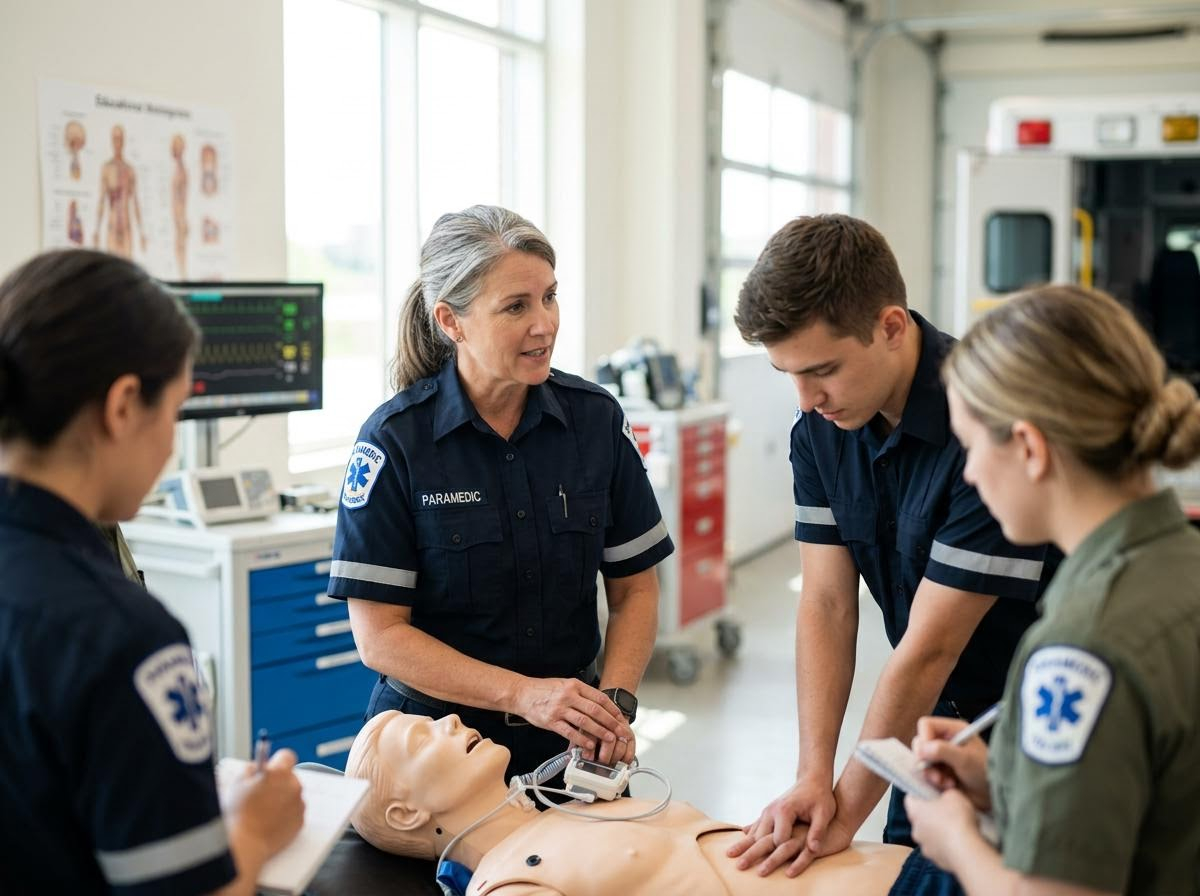
Leadership, Education, and System Advancement
Beyond direct patient care, paramedics can transition into influential roles that shape the future of prehospital medicine. Leadership positions, such as EMS supervisors, field training officers, or operations directors, involve managing teams, optimizing response protocols, and ensuring quality assurance. Many experienced paramedics find their calling in education, becoming instructors, program coordinators, or even developing curricula for EMS training academies. These roles are pivotal in mentoring new professionals and upholding the highest standards of care. Furthermore, paramedics often become advocates for policy changes, contributing to innovation and system-wide improvements that enhance patient outcomes and support the EMS community as a whole.
The paramedic profession is a testament to unwavering dedication and continuous learning, offering diverse avenues for impact and leadership. From frontline care to shaping future generations of providers, your skills are invaluable and highly transferable across a broad spectrum of medical and emergency services. To explore resources and initiatives designed to elevate prehospital medicine and advance your career within this crucial field, we invite you to connect with the MS Center for Advancement of Prehospital Medicine.