
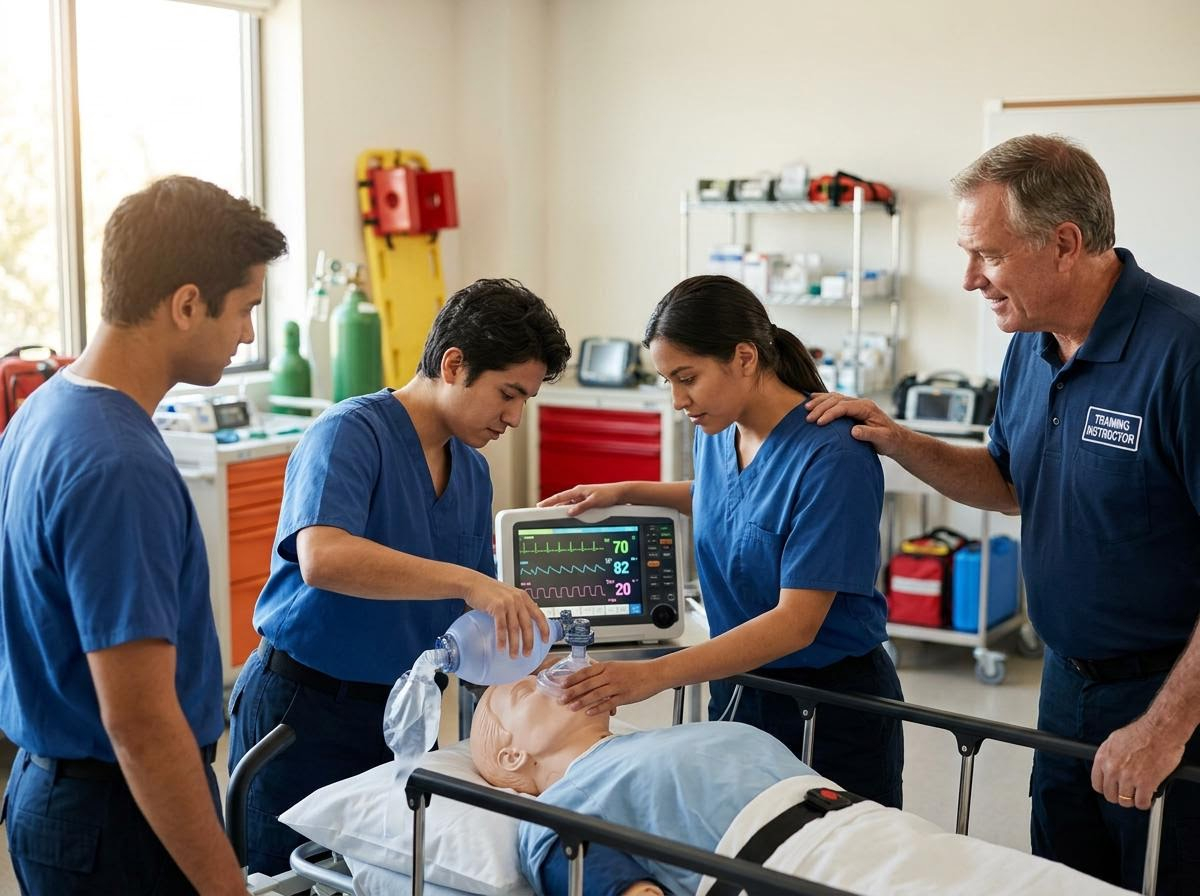
Embarking on a career in emergency medical services (EMS) as an Emergency Medical Technician (EMT) is a noble and impactful decision, offering the chance to provide critical care when it matters most. However, the path to becoming a certified EMT begins with selecting the right training program, a choice that can significantly shape your foundational knowledge and future professional success. The MS Center for Advancement of Prehospital Medicine is dedicated to elevating and advancing prehospital medicine, and a crucial part of that mission is ensuring prospective EMS providers find excellent educational pathways.
The Importance of Accreditation and Program Reputation
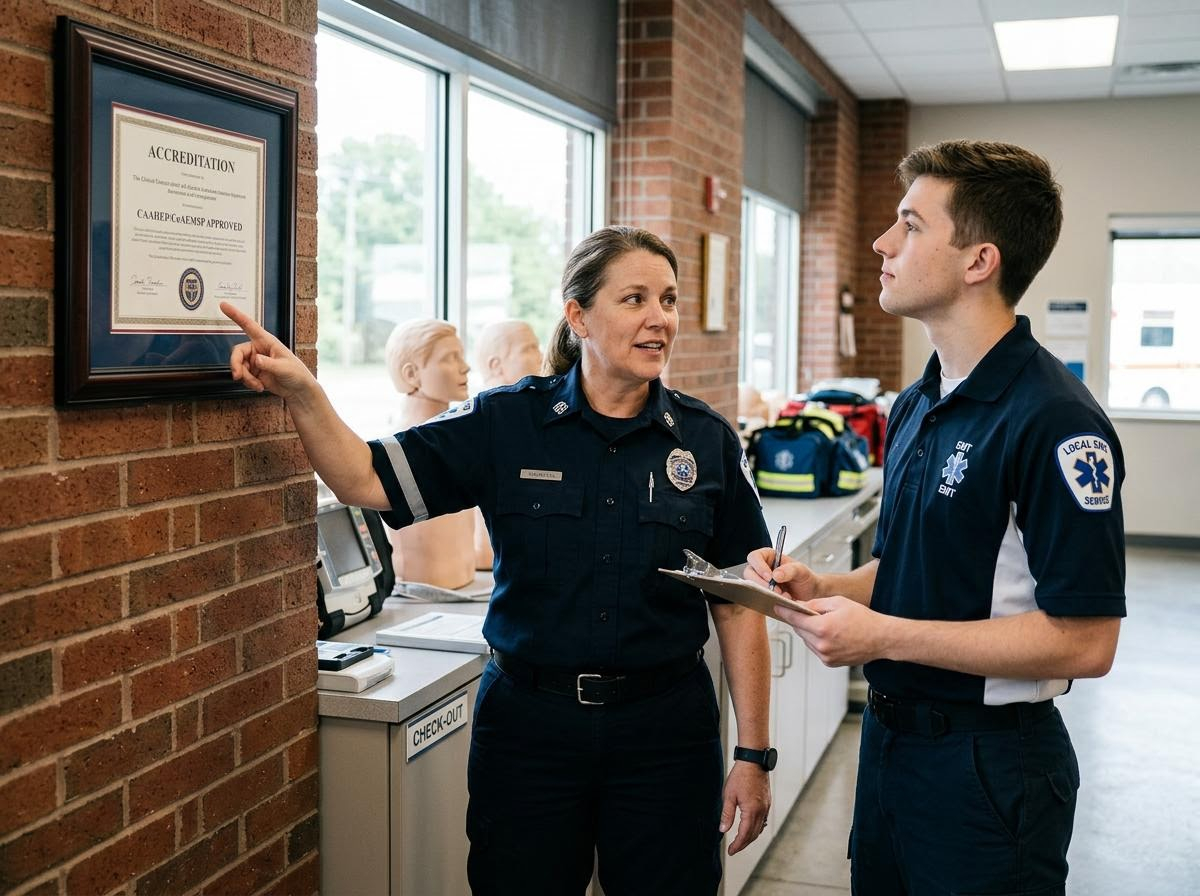
When evaluating EMT programs, accreditation is non-negotiable. Accreditation signifies that a program meets rigorous national standards for curriculum, instruction, and student outcomes, ensuring you receive a quality education recognized across the industry. Look for programs accredited by the Commission on Accreditation of Allied Health Education Programs (CAAHEP) upon the recommendation of the Committee on Accreditation of Educational Programs for the Emergency Medical Services Professions (CoAEMSP). Beyond official recognition, research the program's reputation within the local EMS community. Speak with current EMTs, paramedics, and fire department personnel; their insights can reveal a program's real-world effectiveness, the quality of its graduates, and its commitment to fostering competent, caring professionals.
Comprehensive Curriculum and Essential Clinical Experience
A top-tier EMT program offers a robust curriculum that thoroughly covers all aspects of prehospital care, from patient assessment and trauma management to medical emergencies and basic life support interventions. Ensure the program's coursework aligns with the National EMS Education Standards. Equally vital is the provision of substantial hands-on clinical experience. This includes supervised time in various settings, such as emergency departments, ambulance ride-alongs, and potentially other specialized units. These practical experiences are invaluable for applying classroom knowledge to real patient scenarios, developing critical thinking skills, and building the confidence necessary to perform effectively under pressure.
Quality of Instruction and Student Support
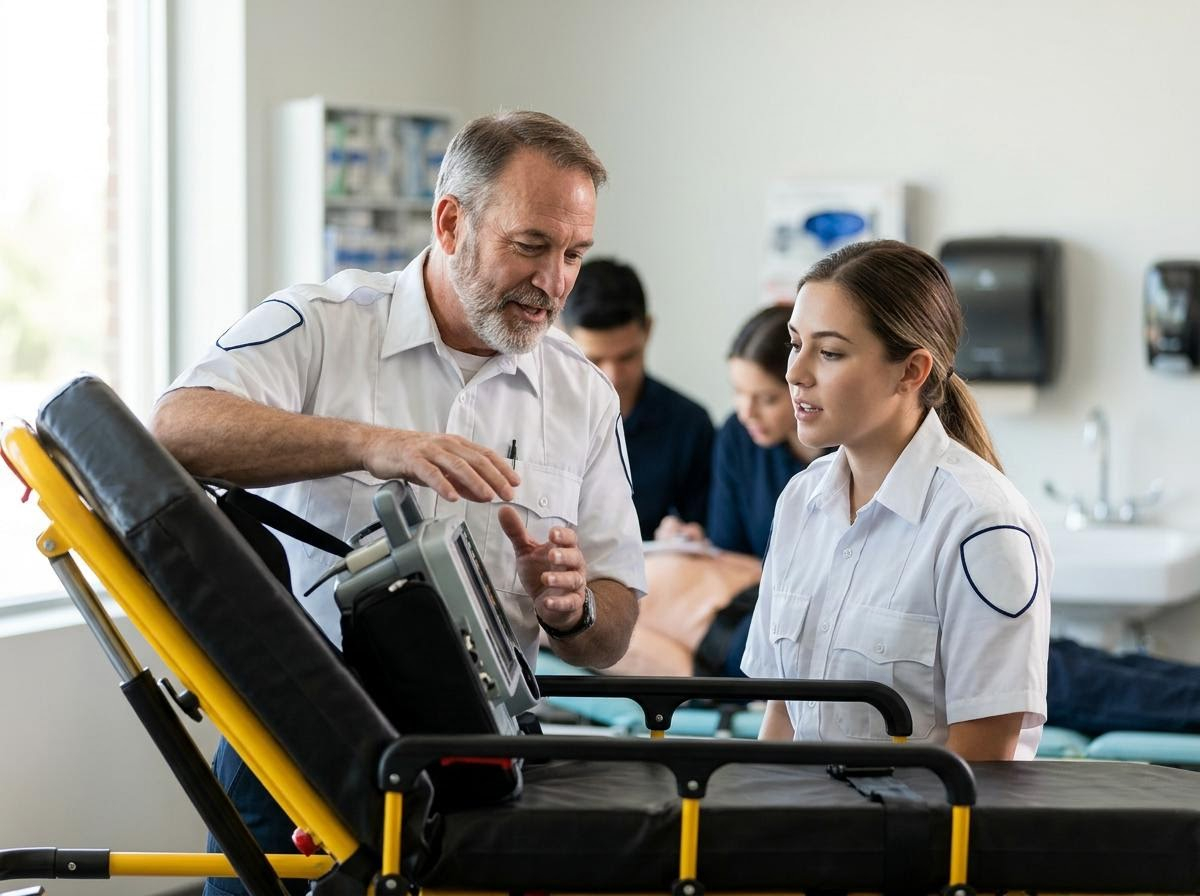
The quality of your instructors can profoundly impact your learning experience. Seek programs staffed by experienced EMS professionals who are not only knowledgeable but also passionate about teaching and mentoring. These instructors often bring real-world insights and best practices directly into the classroom. Furthermore, investigate the student support systems available. A strong program will offer resources such as academic advising, tutoring services, career counseling, and job placement assistance. Collaborative learning environments and opportunities for peer support can also significantly enhance your educational journey, ensuring you feel supported from enrollment through certification and beyond.
Your Path to Exceptional Prehospital Care
Choosing the right EMT program is a foundational step in building a successful and rewarding career in emergency medical services. By carefully considering accreditation, program reputation, the depth of the curriculum, the quality of clinical experiences, and the support systems in place, you can ensure you are well-prepared to provide exceptional care. The MS Center for Advancement of Prehospital Medicine is committed to supporting every EMS provider and patient through education, innovation, and system-wide support. To discover more about advancing your career in prehospital medicine and accessing exceptional educational opportunities, explore resources dedicated to EMS excellence in Mississippi.