The field of prehospital medicine is a dynamic and essential pillar of community health, offering a multitude of pathways for passionate individuals. For those drawn to this vital calling, understanding the diverse roles and opportunities within Emergency Medical Services (EMS) is the first step toward a fulfilling career. The MS Center for Advancement of Prehospital Medicine is dedicated to guiding aspiring and current professionals through this exciting landscape, ensuring every individual can find their place in elevating care.
Exploring the Spectrum of EMS Roles
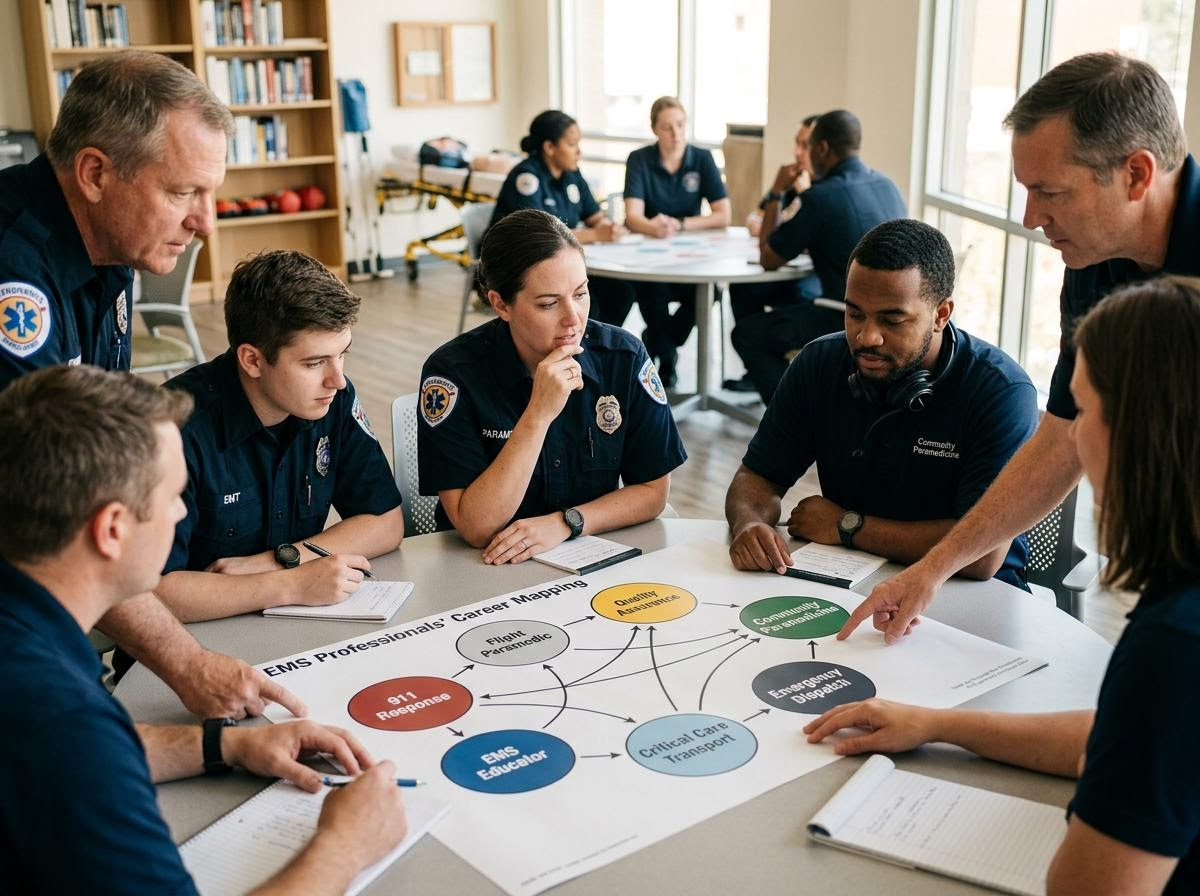
When many think of EMS, the immediate image is often that of paramedics and EMTs responding to emergencies in an ambulance. While these front-line roles are undeniably crucial, the prehospital environment encompasses a much broader spectrum of specialized positions. Consider careers in emergency dispatch, where skilled communicators are the first point of contact and provide critical instructions. There are also opportunities in community paramedicine, focusing on proactive patient care and preventative health within neighborhoods, as well as critical care transport, requiring advanced clinical skills for interfacility transfers. Furthermore, the field needs educators, administrators, and quality assurance specialists who work behind the scenes to ensure operational excellence and continuous improvement.
Education and Continuous Skill Advancement
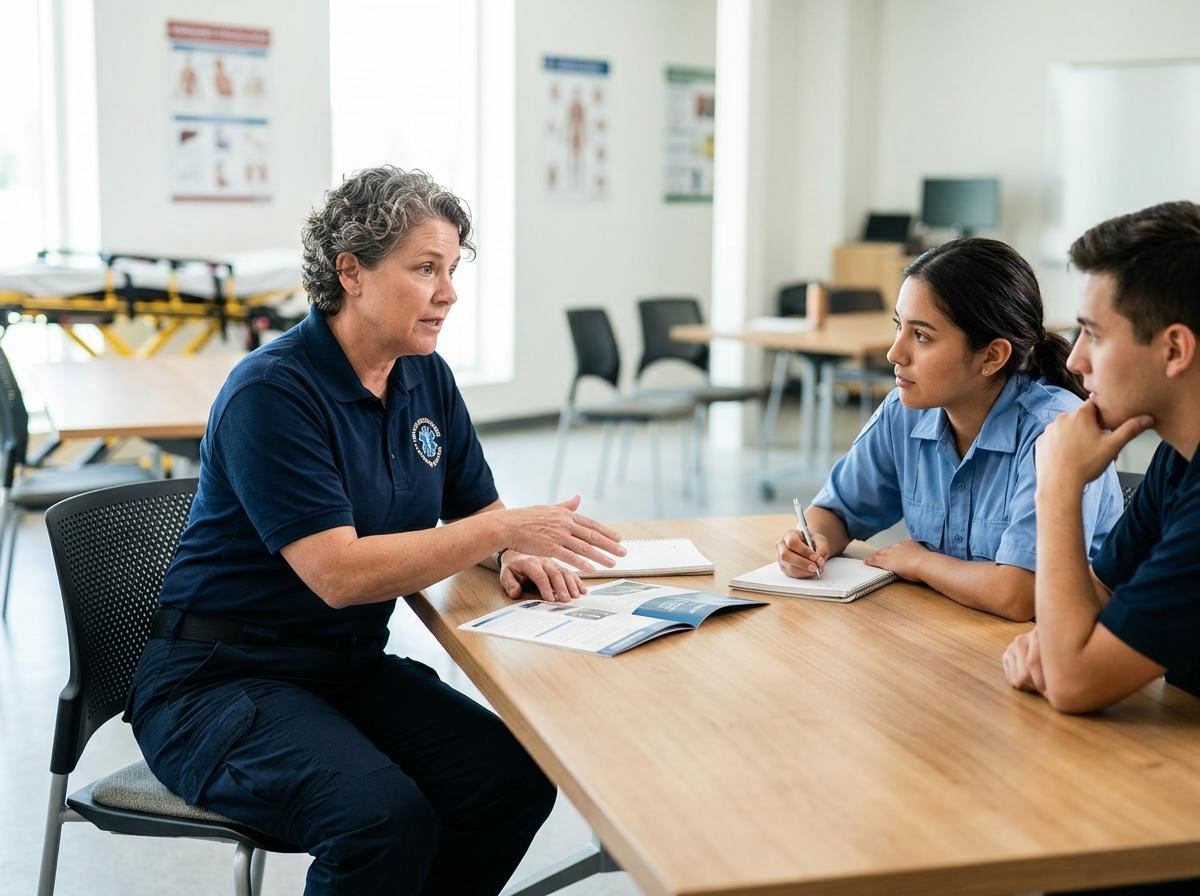
Regardless of the specific path you choose within EMS, a strong educational foundation and a commitment to ongoing learning are paramount. Initial certification as an EMT or Paramedic is just the beginning. Specialization often requires additional training, such as advanced cardiac life support (ACLS), pediatric advanced life support (PALS), or critical care paramedic (CCP) certifications. Beyond clinical skills, leadership training, management courses, and even degrees in healthcare administration or public health can open doors to supervisory or directorial roles. Embracing continuous professional development not only enhances your capabilities but also demonstrates a dedication to providing the highest standard of patient care.
The Power of Mentorship and Collaboration
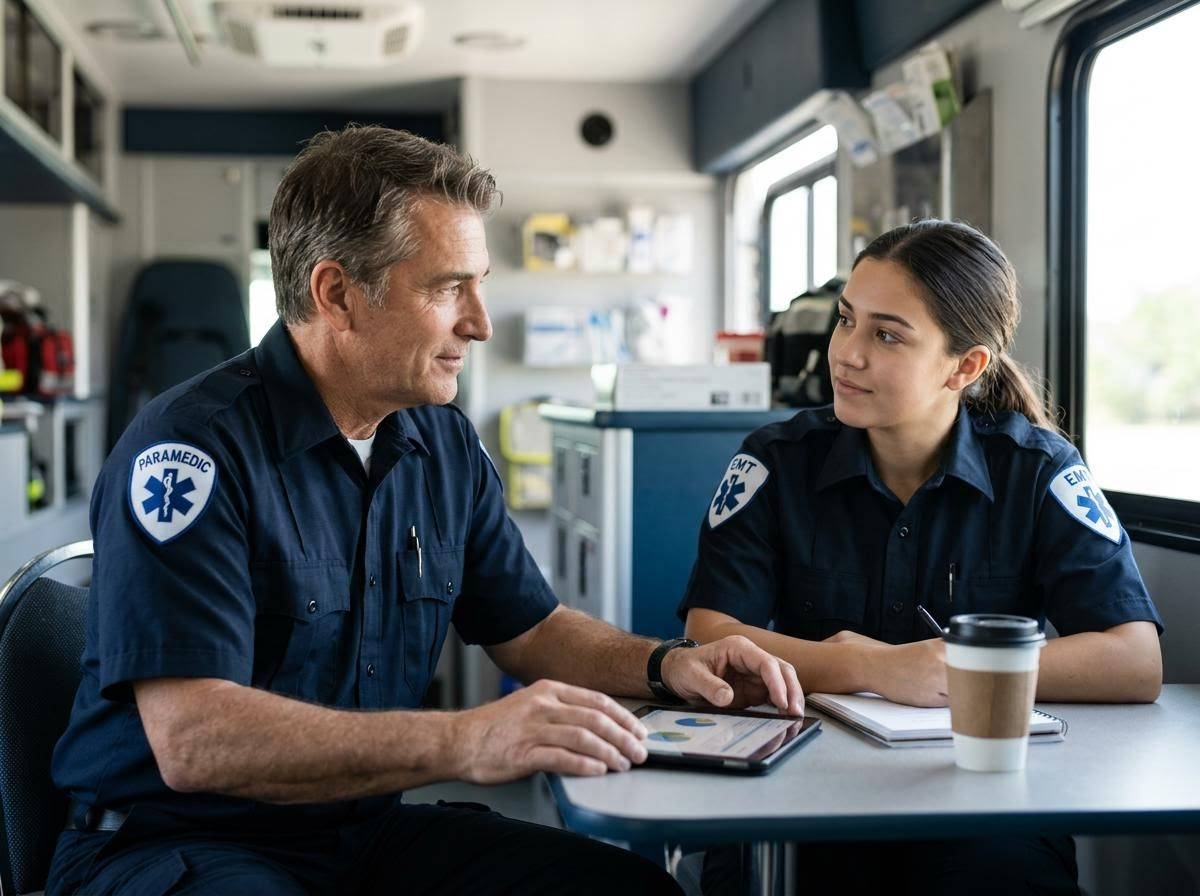
Navigating a career in prehospital medicine is significantly enriched by connecting with experienced professionals and fostering collaborative relationships. Mentorship offers invaluable insights, guidance, and support from those who have walked the path before you, helping to shape your understanding of the challenges and rewards of various roles. Actively participating in professional organizations, attending conferences, and networking with peers can broaden your perspective and unveil opportunities you might not have considered. These connections are vital for personal growth, system-wide improvement, and for building a strong, supportive community dedicated to advancing prehospital care.
Aligning Passion with Purpose in Prehospital Care
Ultimately, finding the right role in EMS involves a thoughtful introspection of your strengths, interests, and long-term career aspirations. Do you thrive under pressure, or do you prefer a more administrative, analytical challenge? Are you passionate about direct patient interaction, or do you find fulfillment in teaching and shaping future generations of providers? Perhaps advocating for policy changes or innovating new care delivery models resonates most with you. By aligning your personal drive with the diverse needs of prehospital medicine, you can discover a career path that not only offers professional satisfaction but also makes a profound impact on the health and safety of your community.
The expansive and evolving field of prehospital medicine offers a rich tapestry of career opportunities for dedicated individuals. From direct patient care to leadership, education, and innovative community programs, there is a path for everyone committed to elevating the standard of care. At the MS Center for Advancement of Prehospital Medicine, we believe that informed career choices are key to both personal fulfillment and the advancement of our entire prehospital system. To explore educational opportunities and resources that can help shape your EMS career path, we invite you to learn more about our programs and initiatives.