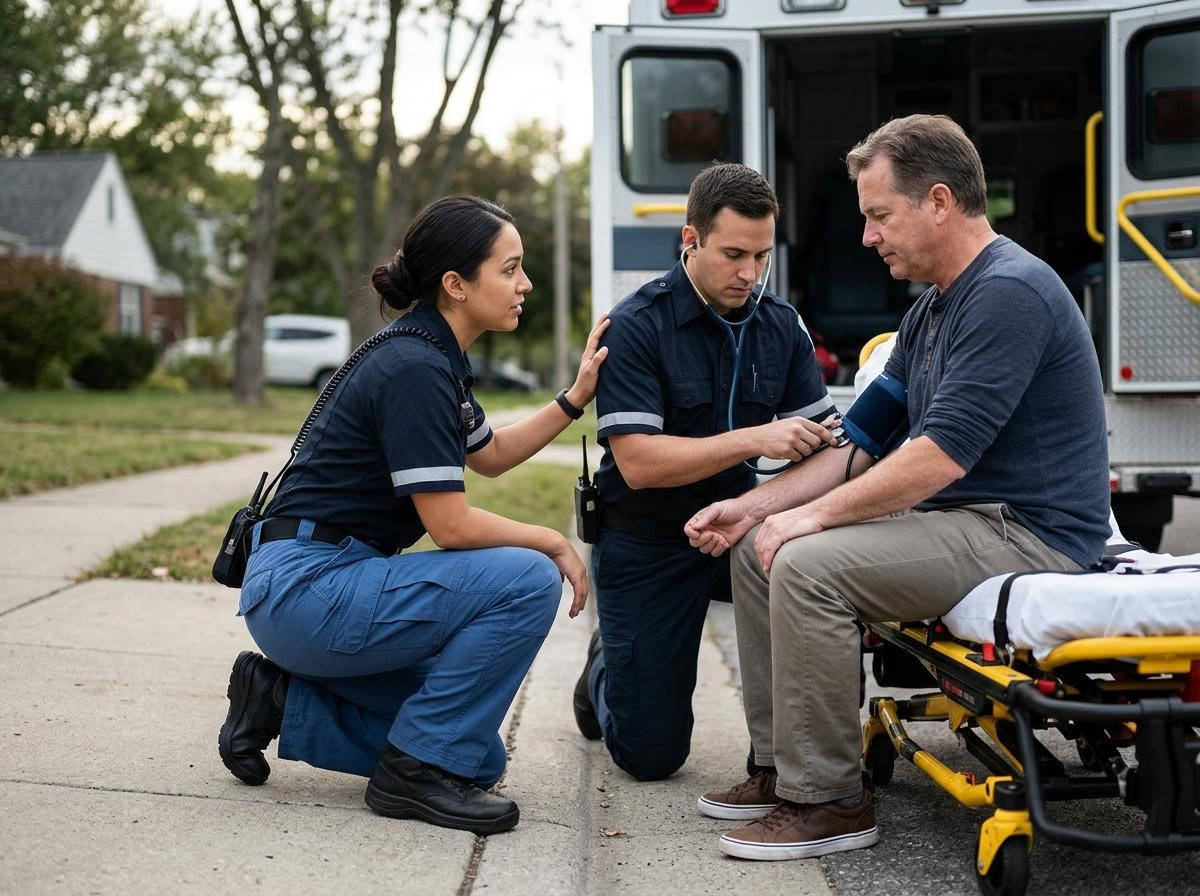
Emergency Medical Technicians (EMTs) are the frontline heroes of healthcare, often the first to arrive during critical situations, providing immediate care that can save lives. Their role demands a unique blend of expertise, quick thinking, and compassionate action. At the MS Center for Advancement of Prehospital Medicine, we understand that success in this demanding field hinges on mastering a core set of skills that go beyond basic medical knowledge. This post will explore the fundamental competencies that empower EMTs to provide exceptional prehospital care and truly make a difference in their communities.
Clinical Proficiency and Medical Knowledge
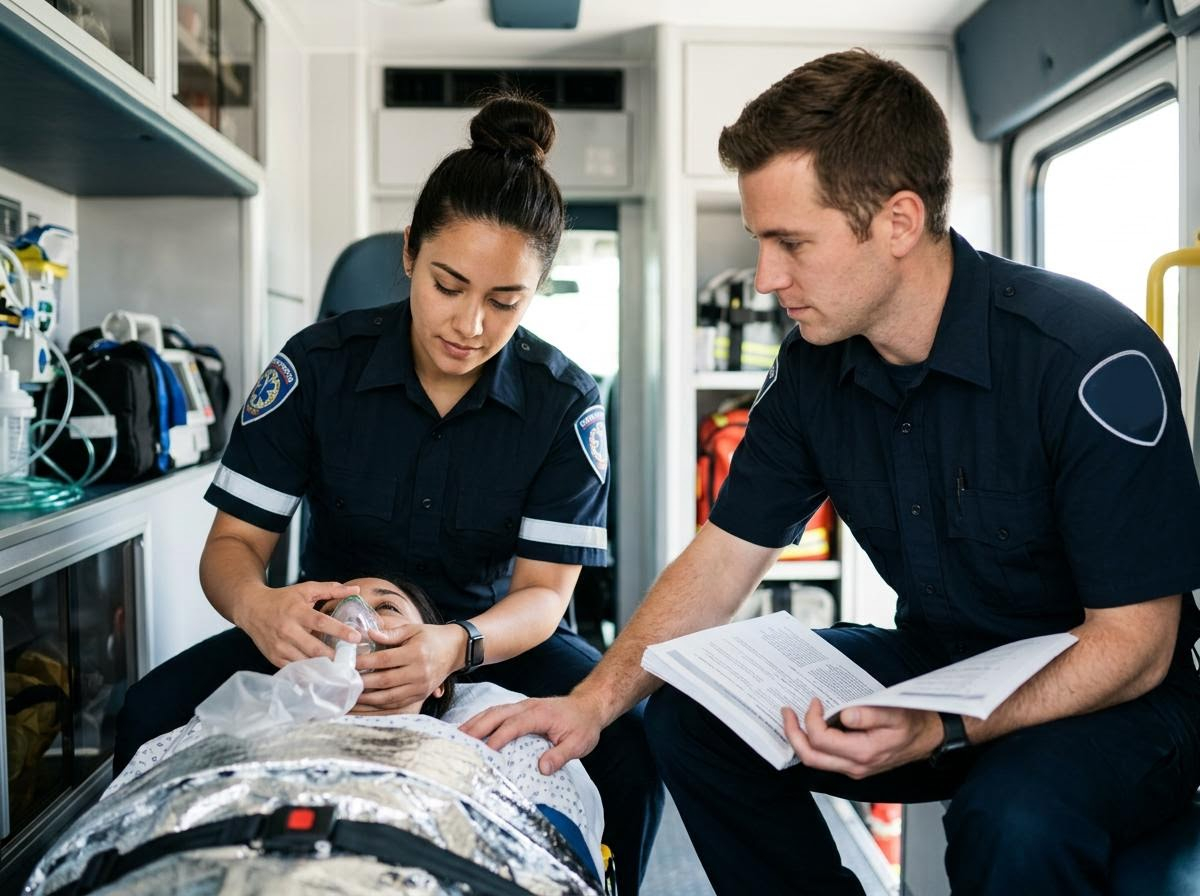
At the heart of every effective EMT is a solid foundation of clinical proficiency and up-to-date medical knowledge. This includes mastering patient assessment techniques, understanding human anatomy and physiology, and knowing how to manage various medical emergencies and traumatic injuries. Thorough EMS education and training is crucial, as it equips EMTs with the practical skills needed for tasks such as airway management, bleeding control, medication administration, and splinting. Continuous learning and staying current with evolving protocols ensure that EMTs can confidently apply the most effective interventions in high-pressure situations, directly impacting patient outcomes.
Critical Thinking and Problem-Solving Under Pressure
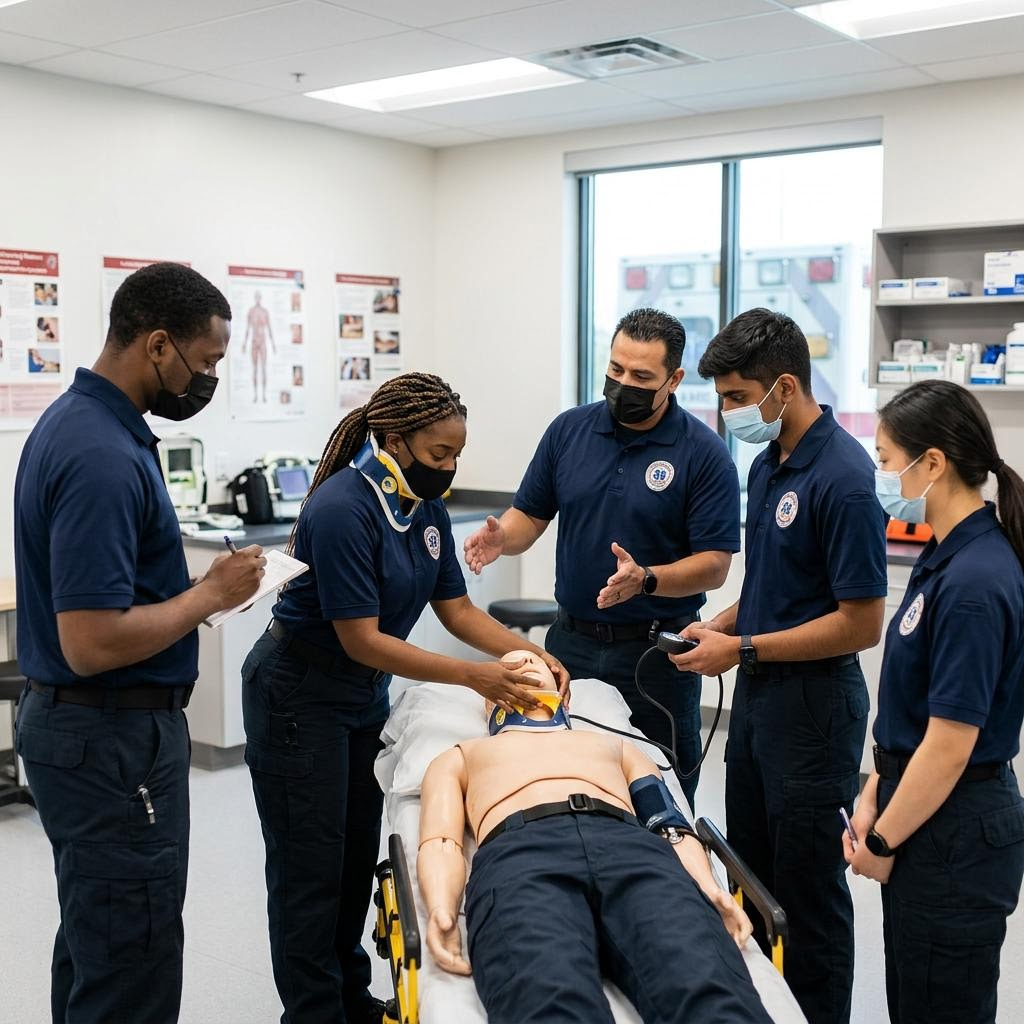
The prehospital environment is inherently unpredictable, demanding that EMTs think critically and make sound decisions rapidly. Unlike controlled hospital settings, EMTs often face chaotic scenes, limited resources, and incomplete information. The ability to quickly assess a situation, identify the most pressing issues, formulate a treatment plan, and adapt as circumstances change is paramount. Strong problem-solving skills, honed through comprehensive EMT schooling and real-world simulations, enable providers to navigate complex scenarios effectively, prioritize care, and implement life-saving interventions when every second counts.
Effective Communication and Empathy
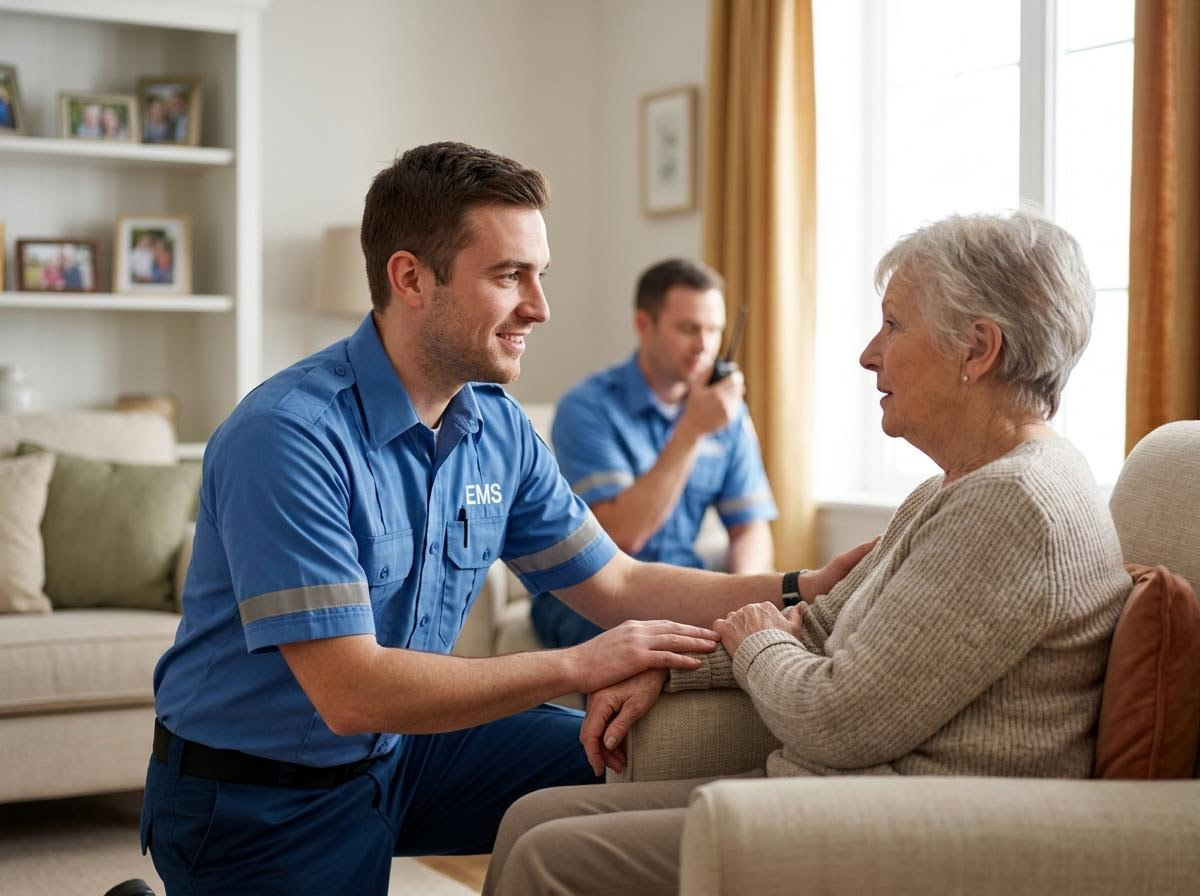
Beyond medical skills, an EMT's ability to communicate effectively and demonstrate empathy is vital. They must be able to clearly convey information to patients, their families, other emergency personnel, and hospital staff. This includes active listening, explaining procedures, and providing reassurance during stressful moments. Empathy allows EMTs to connect with patients on a human level, understanding their fears and pain, which can significantly improve patient cooperation and overall experience. A well-rounded EMS training program emphasizes these interpersonal skills, recognizing their importance in building trust and fostering a collaborative approach to patient care.
Resilience, Adaptability, and Teamwork
The demanding nature of EMS work requires significant resilience and adaptability. EMTs frequently encounter emotionally charged situations, requiring them to manage stress, maintain composure, and debrief effectively to prevent burnout. The ability to adapt to diverse environments, from accident scenes to private residences, and work seamlessly with various teams—police, fire, and fellow medical professionals—is also essential. Quality paramedic training and paramedic and EMT training programs often incorporate scenarios that challenge these attributes, preparing future providers for the physical and psychological rigors of the job and emphasizing the critical role of teamwork in successful outcomes.
LEARN MORE TODAY
The journey to becoming an effective EMT is continuous, built upon a foundation of robust education, practical skills, critical thinking, compassionate communication, and unwavering resilience. These essential skills not only define a competent prehospital provider but also elevate the standard of care across our communities. At the MS Center for Advancement of Prehospital Medicine, we are dedicated to fostering these very qualities, believing that by empowering EMS professionals with the best resources and support, we ensure that every patient receives exceptional care. To learn more about advancing your career in prehospital medicine and the programs designed to cultivate these vital skills, we invite you to explore our resources and educational opportunities, and contact us today.