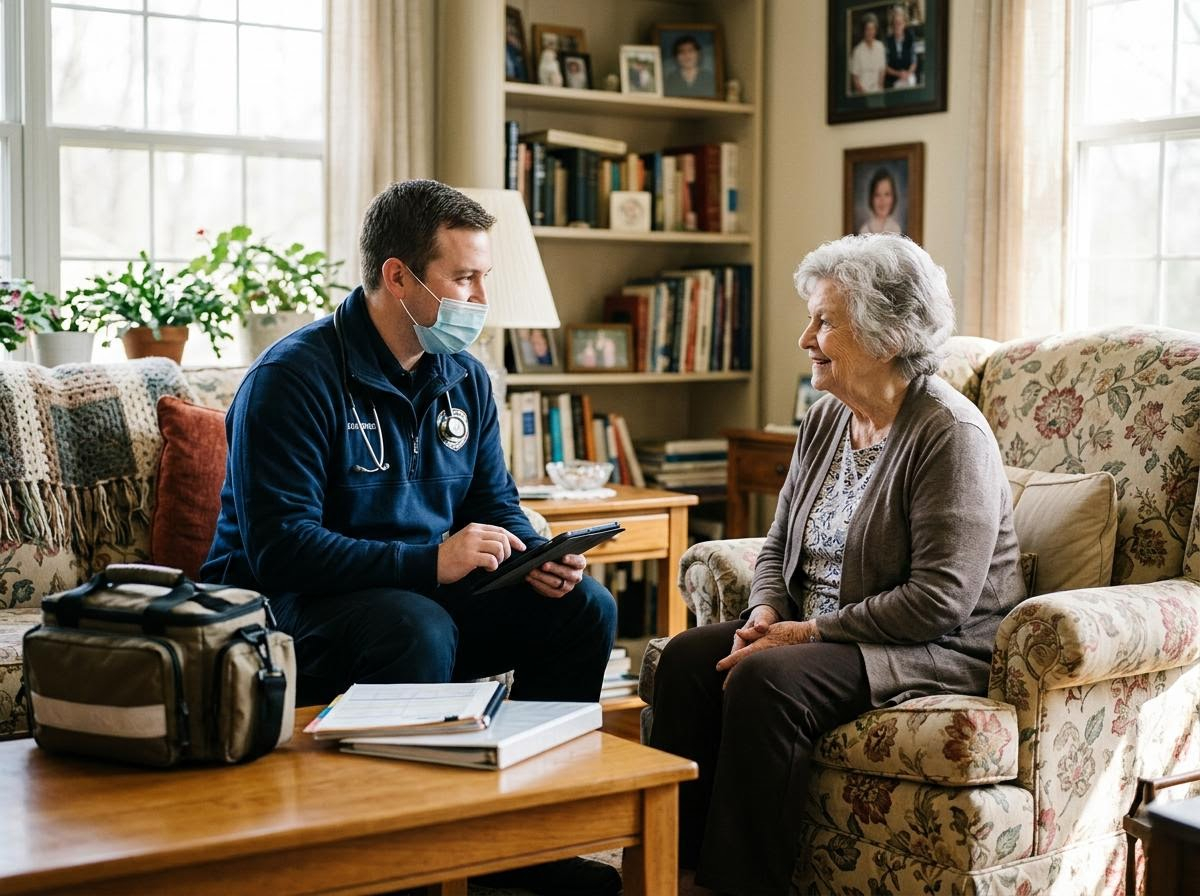
In the dynamic landscape of modern healthcare, the role of prehospital providers is continually expanding, moving beyond urgent responses to embrace proactive patient care. Community Paramedicine Programs represent a groundbreaking evolution in this field, bringing essential medical services directly to where patients live and work. This innovative approach enhances accessibility, improves health outcomes, and fosters stronger, healthier communities across the state. At the MS Center for Advancement of Prehospital Medicine, we recognize the transformative potential of these programs in elevating the standard of care for every Mississippian.
Understanding Community Paramedicine
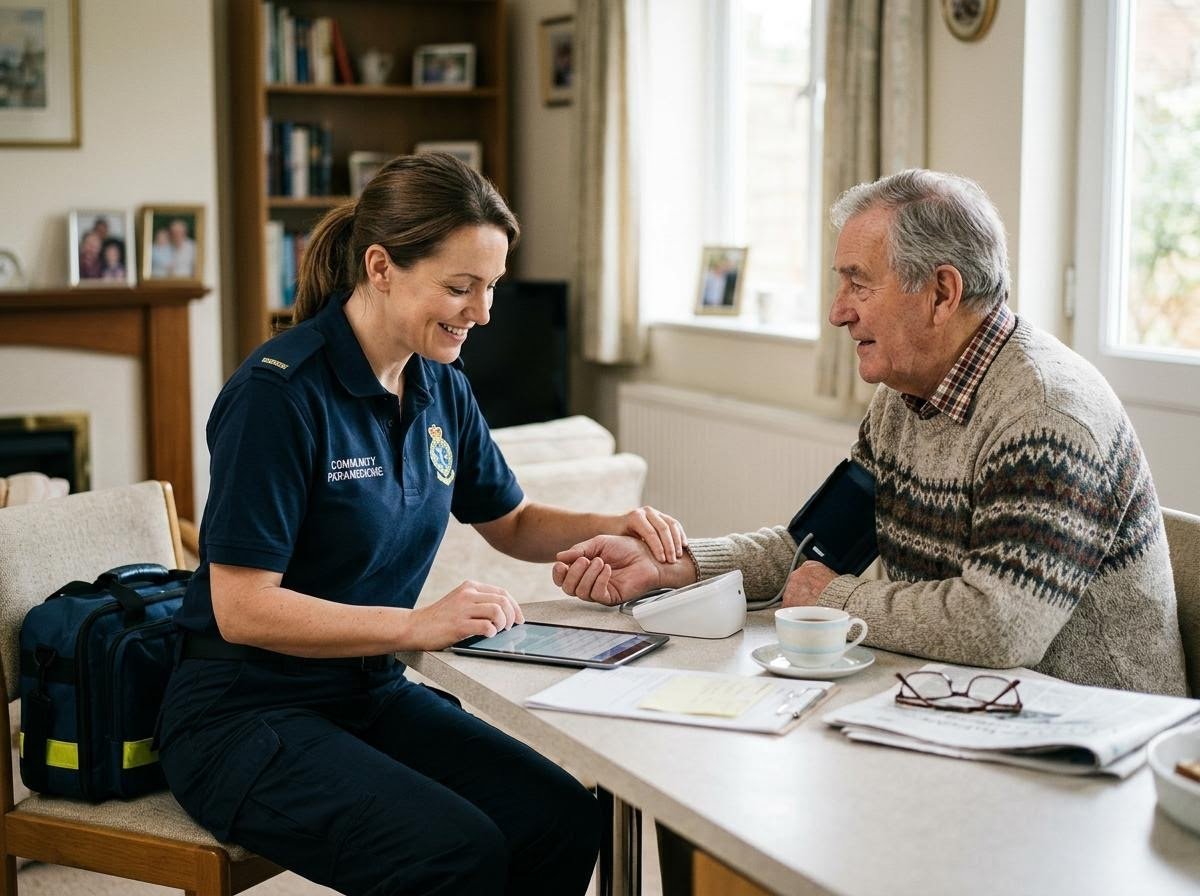
Community paramedicine (CP) empowers highly trained paramedics to provide an expanded scope of services outside the traditional emergency response model. These programs bridge critical gaps in healthcare by addressing non-emergent needs, managing chronic conditions, and providing preventative care in patients' homes or other community settings. Instead of solely reacting to emergencies, community paramedics proactively work to keep patients healthy, reduce hospital readmissions, and connect individuals with appropriate primary care resources. Their services can range from medication reconciliation and health assessments to chronic disease management education and connecting patients with social services.
Elevating Patient Care and Community Health
The impact of community paramedicine on patient well-being and overall community health is profound. By extending care into the community, these programs significantly improve access to healthcare, particularly for vulnerable populations, the elderly, and those in rural or underserved areas who might otherwise face barriers to traditional medical facilities. Patients benefit from personalized, ongoing support that can prevent health crises, manage existing conditions more effectively, and reduce the need for costly emergency room visits or hospital stays. This proactive, patient-centered approach leads to better health outcomes, increased patient satisfaction, and a more efficient healthcare system overall.
The Evolving Role of EMS Professionals
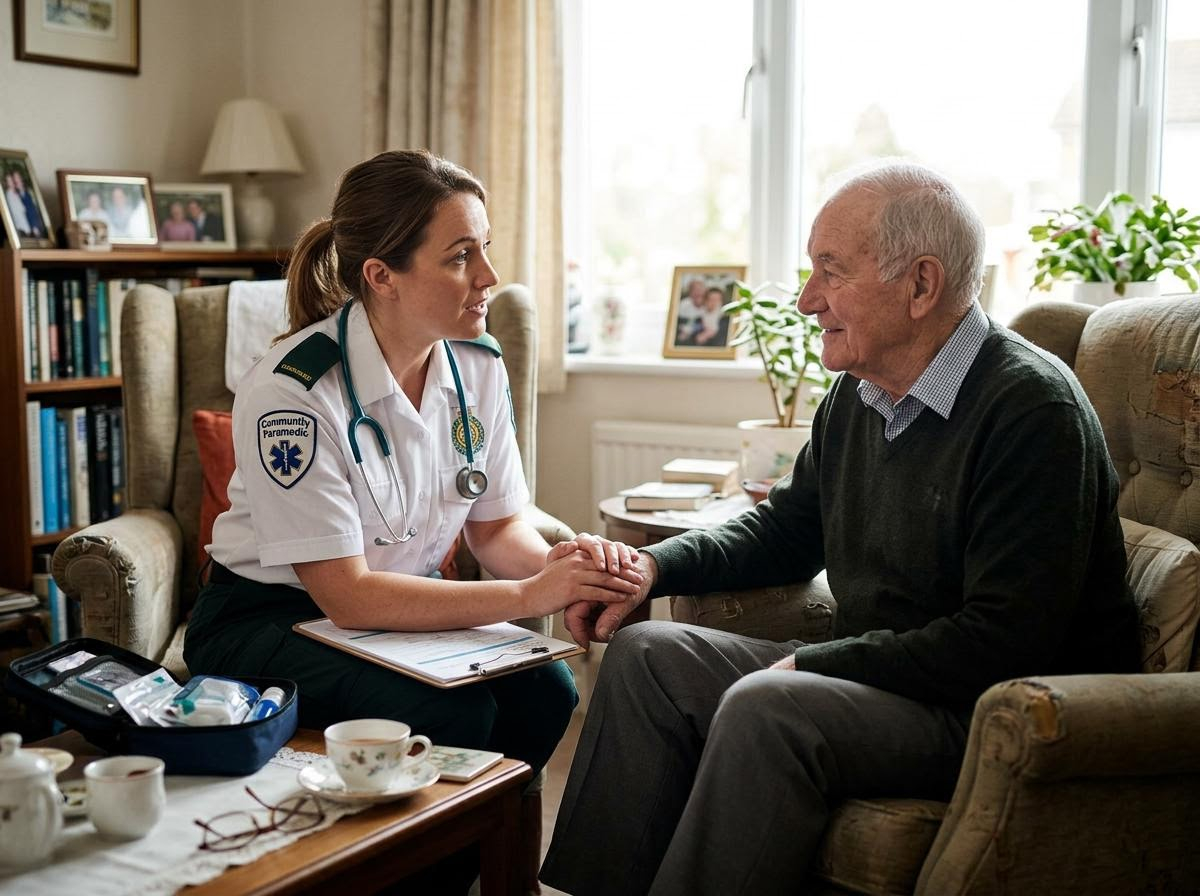
Community paramedicine offers an exciting and vital new pathway for EMS professionals. Paramedics, with their extensive training in emergency medical care and their unique ability to navigate diverse community environments, are ideally positioned to take on these expanded roles. Becoming a community paramedic requires additional specialized training that builds upon their existing clinical expertise, focusing on chronic disease management, preventative care, public health principles, and communication skills. This evolution not only elevates the profession but also provides opportunities for paramedics to utilize their skills in a more comprehensive and holistic way, fostering a deeper connection with the communities they serve.
Building a Robust Framework for Success
Implementing successful community paramedicine programs requires a collaborative and forward-thinking approach. It involves fostering partnerships between EMS agencies, hospitals, primary care providers, public health organizations, and social services. A robust framework includes standardized training and certification for community paramedics, innovative technological solutions for patient monitoring and data sharing, and advocacy for sustainable funding models. By working together, we can ensure these programs are not only effective but also seamlessly integrated into the broader healthcare ecosystem, creating a comprehensive safety net for all citizens.
Community paramedicine represents a powerful step forward in ensuring equitable, accessible, and high-quality healthcare for everyone. By leveraging the expertise of our dedicated EMS professionals and fostering collaborative partnerships, we can build stronger, healthier communities. To explore the future of prehospital care and learn more about how education, innovation, and collaboration are shaping patient outcomes across Mississippi, we invite you to delve deeper into the resources and initiatives available through the MS Center for Advancement of Prehospital Medicine.